![Review Of The Perfect Fit Harness]()
by Lisa | Dec 8, 2015 | Reviews, Training Methods

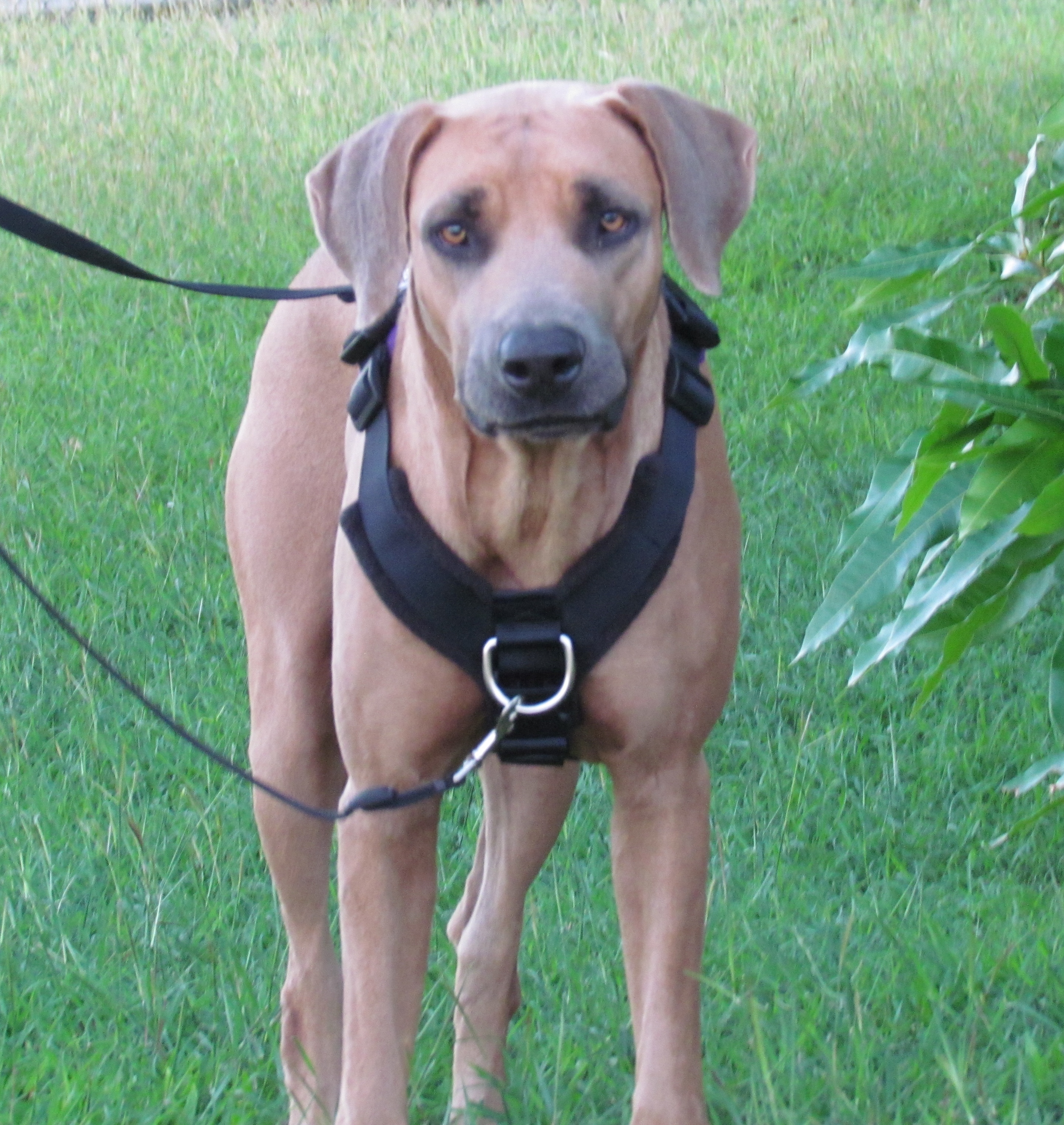
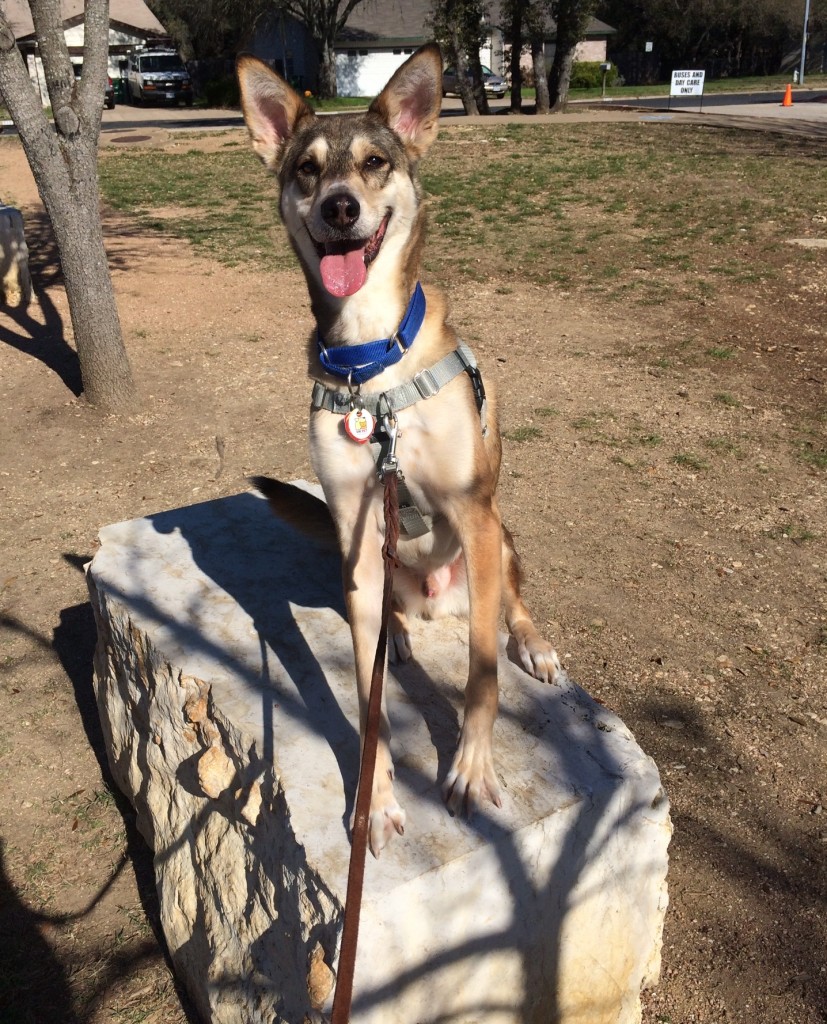
First time Jaime wore a Perfect Fit Harness.
I had the opportunity to try out Sally Hopkins’ Perfect Fit Harness and I really like it. Here are my first impressions:
Vibrant Colours
I just love the wide range of colours that the top piece comes in. My favourite is the purple, but they have so many rich, vibrant colours to choose from – black, blue, brown, green, pink, purple, red, blue, wine, black reflective, high vis yellow, high vis orange and black fleece with rainbow webbing. The front and girth pieces are only available in black webbing and fleece.
Soft Yet Strong
The fleece is just so soft and comfortable that it makes me want to just rest it against my face. But even though the fleece is soft, it is very strong and durable. The fleece reduces rubbing and pressure points. The nylon webbing is strong too.
Adaptable Sizing

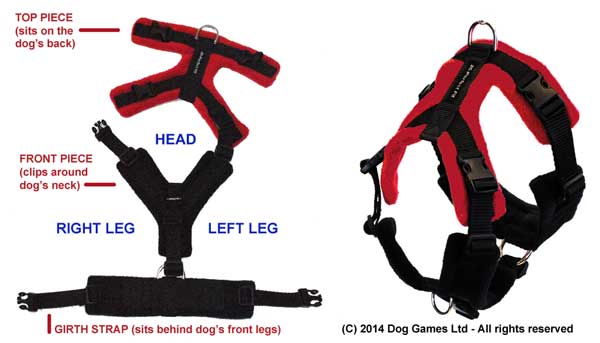
Perfect Fit Harness pieces
The Perfect Fit Harness comes in three pieces. The front is Y shaped and goes around the dog’s neck with the tail piece of the Y going between the dog’s front legs. It has black webbing stitched on to black fleece with the D-ring front attachment. The top piece has the webbing stitched on to the coloured fleece along with a D-ring attachment at the back. The girth piece also has black webbing where the D-ring is reinforced. This D-ring on the girth piece is where the tail end of the Y-front piece is attached.
Having three individual pieces – front, top and girth piece – is great because as your puppy grows, or if it is damaged, you just buy the piece(s) that you need instead of buying a whole harness.
Sturdy & Well Made

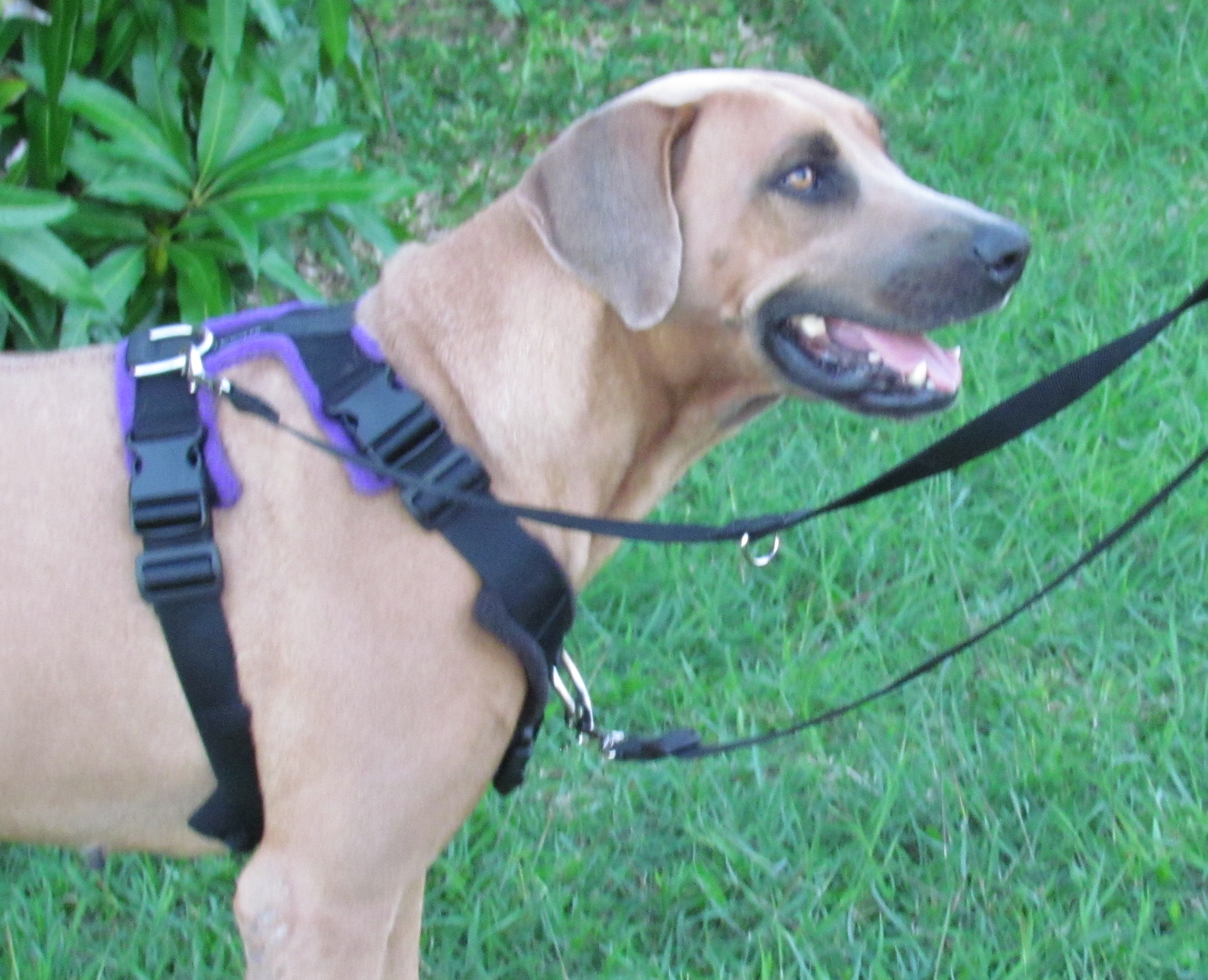
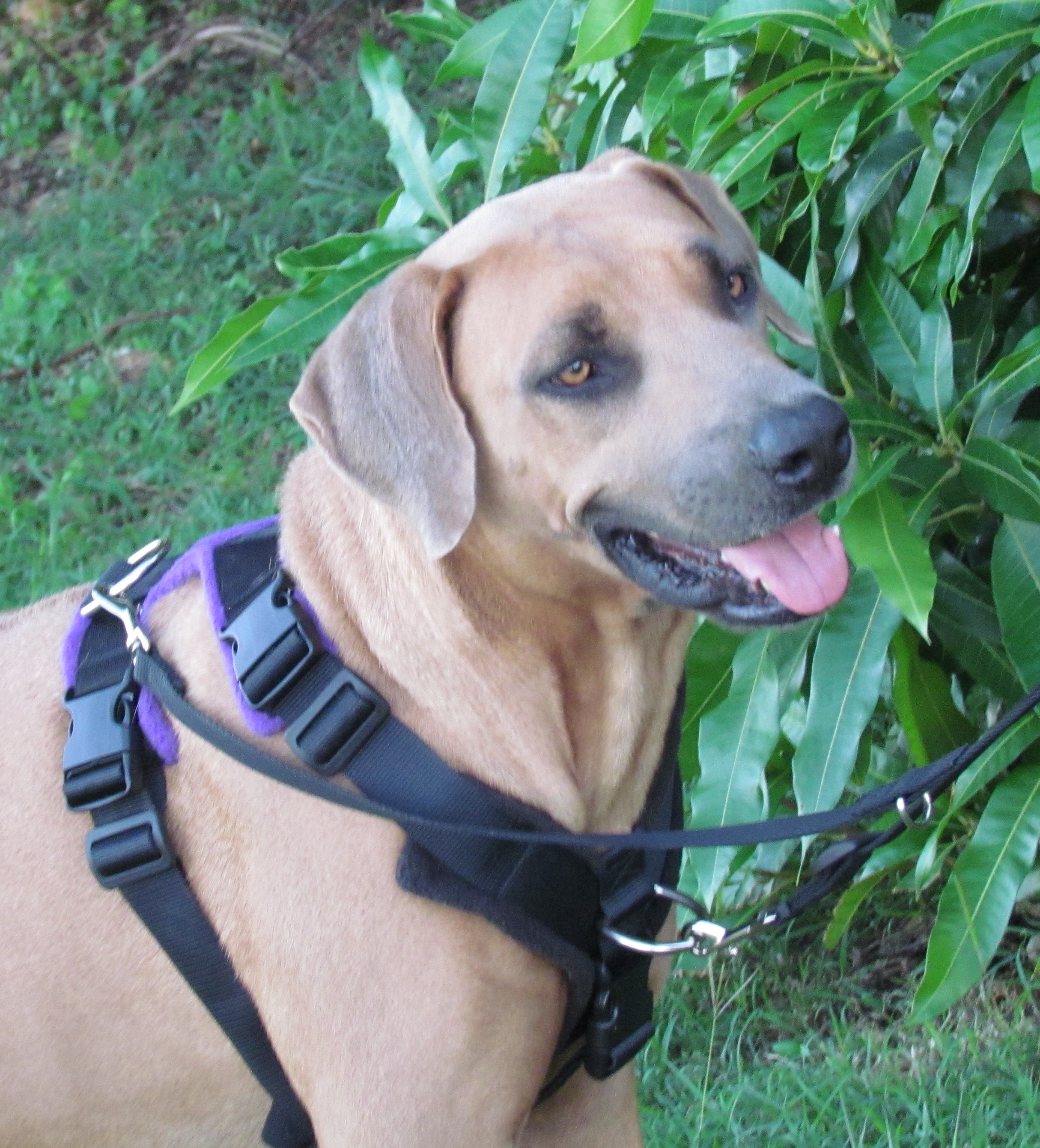
Jaime posing in the Perfect Fit Harness
This harness is extremely well made – the stitching is neat, the three metal D-rings are smooth and strong, and the plastic adjustable clips are sturdy.
Sizes
There is a wide range of sizes to choose from. It ranges in size from tiny, which could fit a 4 month old Chihuahua or cats, to extra large, which is made for huge Mastiffs or even large pigs. The girth and front pieces have five points of adjustment to make the front and girth pieces smaller or larger. The D-rings and clips come in a variety of sizes too from small 15mm to extra large 40mm.
Easy to put on
Phew, what a relief! Harnesses come in different styles and are for the most part a pain to figure out how to put on. I found the Perfect Fit Harness to be easy. Attach the front and top pieces together, attach the girth to the front, put the back and front piece over your dog’s head, slip the girth piece under your dog’s chest, between his leg and then just clip the snaps of girth to the top piece. Voila!
How it works
You need a double ended clip leash to attach to the front and top D rings, to help with steering. I also found it easy to control the dog and it helps prevent pulling. You should not have the leash tight at both ends.

Jaime got used to the Perfect Fit Harness quickly and easily.
Tripods
An added bonus to this harness is that it can be adjusted and used for dogs who have had a front leg amputated. There is a video on the website to see how to choose.
Website
The Perfect Fit Harness website is full of useful information from the colour choices, sizing, and a Breed Chart Guideline with lots of videos too.
http://www.dog-games-shop.co.uk/perfect-fit-fleece-dog-harness.html
I have to admit, this is my new favourite harness!
Dog Training Business Tips
Receive valuable dog training business tips and resources right in your inbox! Subscribe to The Modern Dog Trainer now by submitting your name and email below. Don’t forget to let us know what you want to learn more about!
[mc4wp_form]
![Guest Post: A Passion for Primitive Dogs]()
by Guest Poster | Dec 7, 2015 | Training Methods
This is a guest post by professional dog trainer, Molly Sumner, CDBC, CPDT-KSA, CBATI. She is an expert when it comes to training primitive dogs and is generously sharing her top 5 tips with us today. She now runs a website for primitive dogs and their owners: https://www.couchwolves.com/
Each night I fall asleep never having to remember to set an alarm clock. As dawn breaks so does the silence. A dull “woooo” sound begins from the crates on the first floor. It slowly gets louder and more punctuated. Then a few more voices join in until my canine alarm clock is going full blast. They are trying to tell me, as they do every morning, that they are awake and would like to go out. The only time I get a vacation from this routine is when I am away at an obedience trial. This is not due to any lack of attendance on their part, because I’m the crazy trainer showing primitive dogs in obedience. In reality it is because the orchestra ring leader is snuggling in bed with me, and when he has bed privileges he doesn’t want to get up till around noon. Lazy bones.
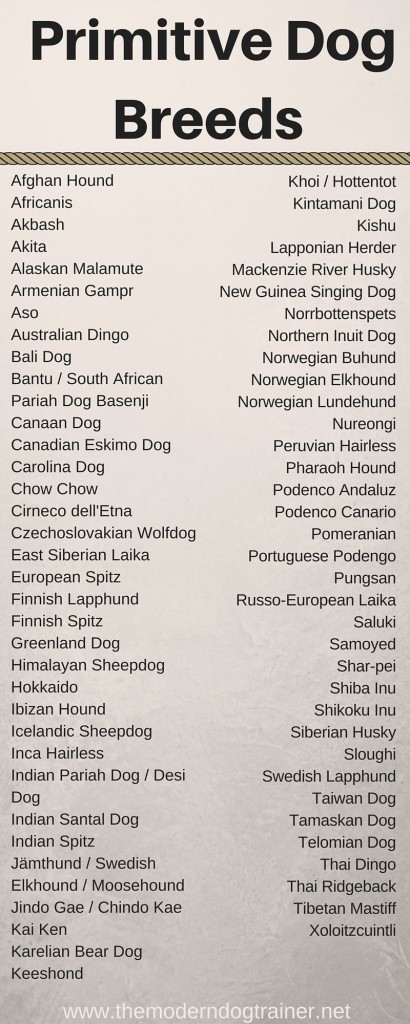 My husband and I share our home with 5 Shiba Inus, a Cattle Dog mix, a Tibetan Mastiff, and a New Guinea Singing Dog. This seems like quite the mix of dogs, but they have one very strong thing in common and that is their primitive nature. To be clear, what I mean when I say “primitive dog” is a breed of dog who’s ancestral primitive nature is still intact. These dogs weave through the traditional breed groups making a pretty tapestry of shapes, sizes, and histories. But when you break them all down, a similar independent, sensitive, wise old soul is back there, ready to tell you that they know better. Some examples of primitive dogs are Africanis, Akitas, Alaskan Malamutes, Armenian Gampr, Basenji, Canaan Dog, Carolina Dog, Chow Chow, Finnish Spitz, Norwegian Elkhound, Pharaoh Hound, Saluki, Samoyed, Shar-pei, Swedish Lapphund and this is just a few. This short list (A longer list is available at the end of this article) gives you an idea of the variety of shapes, sizes, and jobs these dogs have, and their close resemblance to their canine ancestors, and/or selective breeding that has maintained behavioral and physiological traits going back 1000-5000+ years.
Life with primitive dogs is a little different than life with other breeds. I mean sure, they are all dogs. But life with primitive dogs isn’t an owner/pet relationship. It’s more like a roommate agreement. They have their particular wants and needs and if you fail to understand them and find a way to manage them, you will end up with a huge problem on your hands. As my husband likes to say, “You don’t train a primitive dog, you come to an understanding”, and he is absolutely right. Many times trainers label these dogs “untrainable”, “willfull”, “stubborn”, or “dominant”. These labels only come out when a trainer or owner is butting heads with these dogs and their truly honest temperaments. I call it an honest temperament because they are utterly consistent and expect the same from you. They are strong communicators who will use a wide range of calming signals to express themselves. Trainers and owners who ignore them, many times end up on the frustrated end of the leash, or worse, bitten and bloodied.
In no way am I suggesting that primitive dogs are a greater bite risk or more aggressive than other breeds. However, I do believe that their tolerance for rude handling, compulsive training, and rude interactions with other dogs, is significantly less than breeds bred to be more tolerant. We created these breeds prior to the great Victorian genetic manipulation period and were never expected to be the center of attention in a family setting. Instead these dogs had a purpose to either hunt and kills other animals, guard property, pull, or herd. When not in use, these dogs were left to their own devices. They have an innate knowledge of what they want to be happy and usually a good chunk of that is to be left alone. They are also highly sensitive dogs and become intolerant of discomfort quickly. Enough repetitions of this and they will become unwilling to cooperate and eventually aggressive.
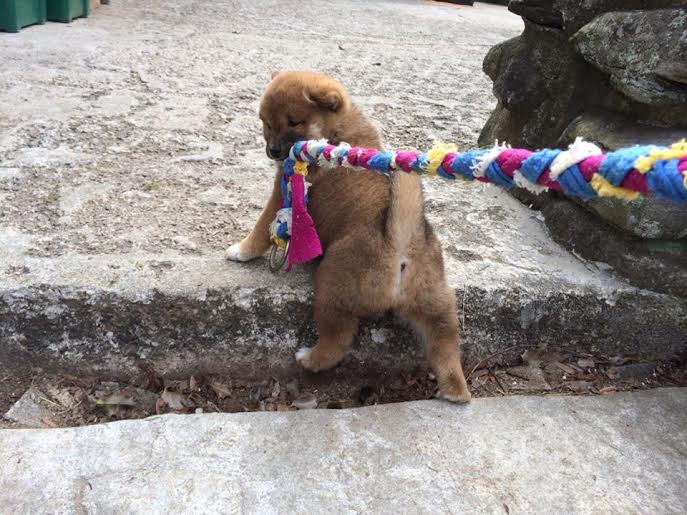
Today there is a growing population that enjoys breeds with these independent natures and it is becoming more and more important that trainers become familiar with how to be successful working with these kinds of dogs. I have clients come to me all the time telling me that their previous trainers hated primitive dogs, that they all are highly aggressive, or if it didn’t respond to compulsion based training, it couldn’t be trained. This is heartbreaking for an owner to hear and leads to many of these dogs getting dumped in shelters or left to an existence locked in a laundry room or outside kennel. It is the responsibility of modern progressive dog trainers to embrace the growing interest in these dogs and better understand their behavioral workings, motivations, and needs. Once these are met, owning, managing, and training these dogs is a breeze.
5 Tips for Training Primitive Dogs
1. If The Dog Is Failing – It’s Not Them, It’s You
Sorry but primitive dogs are very honest dogs. This means that if you’re rate of reinforcement is poor or you’re either too challenging or not challenging enough, a primitive dog will blow you off. The more this happens, the less they will want to interact with you and their relationship will continue to diminish until they actively avoid you. Keep training light, short and be ready to jump 2 steps ahead at any point. More than 5 or 6 repetitions is enough to bore most of these dogs and if they make a learning leap go with it. Don’t push them backwards or they will think your “game” is stupid and walk away.
2. You Can’t MAKE a Primitive Breed Do Anything
Molding a primitive dog just teaches the dog to avoid contact with you. Luring teaches the dog to sniff out treats before they are willing to work with you. Shaping and capturing tend to be the most powerful ways to train a primitive dog. They are very intelligent and when given the opportunity to work out operant tasks they will usually rise to the occasion very quickly. But this works both ways. If they know growling and biting is the only way to make you stop doing something they don’t like, they will stop communicating with calming signals and move to lunging whenever they perceive discomfort. If lunging doesn’t stop the discomfort they will escalate to biting. This is why knowing body language and teaching advocacy for what the dog is saying, is essential to a happy primitive dog household.
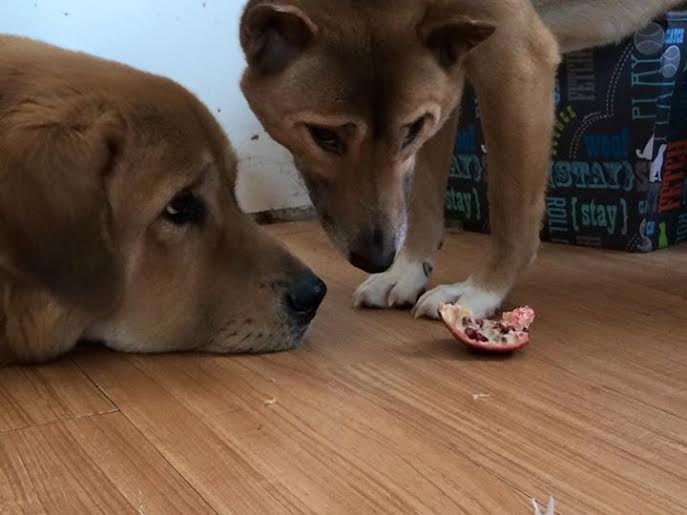
3. They Know You Better Than You Do
Primitive dogs are always watching and always working out the system. Every move you make and every gesture has been worked out in their heads. They know the difference between a recall that is for reward and a recall that is for the end of play because it is time to go to work. They know when you have a treat and when you don’t. These can lead to frustration for the owner when training “only works when a cookie is present” as well as Separation Anxiety, Resource Guarding, aggression while being handled, and leash reactivity. When called in to deal with behavior problems it is essential that a trainer see all the details prior to a problem situation to see what the dog is actually being cued by. It may be leagues away from where the owner thinks the cause is.
4. Self Interest is Your Guide
In my home I use very colorful terms of endearment with my dogs. It is an affectionate joke. But for many owners it is no joke. It is hard for many owners to get over the sense of self interest these dogs possess. Like I mentioned earlier, these dogs are more your roommate than your pet. These dogs, while they love you, are still out to get whatever it is they want, at whatever means necessary. But this is a powerful tool for trainers. Following methods like Karen Overall’s Deference Protocol, and other styles of, you get what you want, when I get what I want can create very harmonious households. I like to think Premack was channeling a primitive dog when we wrote his Principle because that will get you farther than anything else in your training.
5. Keep Your Heart Open
You can’t get mad at these dogs. They will simply walk away, go pee on something, and take a nap. You have to roll with the punches, appreciate their independent nature, and laugh at your mistakes. Otherwise these dogs will get inside your head and drive you insane. You will need multiple ways to train a behavior and don’t be afraid to start with classical conditioning. Most of the time the reason these dogs are challenging is because they are uncomfortable emotionally, not because they are dumb, wild or stubborn.
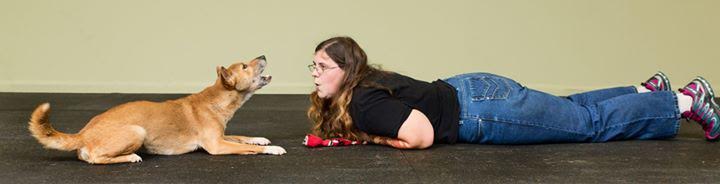
About the Author: Molly Sumner CDBC, CPDT-KSA, CBATI
Molly Sumner is a professional dog trainer and behavioral consultant. She lives in Frenchtown, New Jersey with her husband and house filled with primitive dogs, including Journey the worlds first competition titled New Guinea Singing Dog. Molly is the author of multiple articles for Barkpost, as well her blogs and loves giving voice to both her canine and human clients. She is currently working on book about primitive dog training and ownership. You can visit her blog at www.kindredcompanions.com or find her on Facebook.
Dog Training Business Tips
Receive valuable dog training business tips and resources right in your inbox! Subscribe to The Modern Dog Trainer now by submitting your name and email below. Don’t forget to let us know what you want to learn more about!
[mc4wp_form]
![Successful Dogs Tell Us They Get It]()
by Liz Wyant | Nov 23, 2015 | Training Methods
We know that dogs communicate with us all of the time, whether we notice it or not. However, can they let us know when they have learned a skill we are teaching? Stanley Coren says yes, in his article, “Does A Dog’s Body Language Tell Us How Much He Has Learned?”
The Seed Is Planted
 Coren began paying attention after a dog trainer mentioned that he noticed his dogs almost exhibited pushy, “dominant” behavior when they started to catch on to a new behavior. Instead of lolling tongues and wagging tails, the ears would go forward and tails up.
One he started paying attention, Coren began noticing this as well, mostly in dogs that were relatively new to learning. He then found a Japanese study that had looked into this premise. It was a team from the Azabu University School of Veterinary Medicine and was headed by Masashi Hasegawa.
The Study
The study involved 46 dogs with no prior obedience training. The goal was to teach them to sit using just a hand signal. They used luring – moving a food treat from in front of the dog’s nose to over their head to lure them into a sit. The sessions were 5 minutes long and documented via video. Video was also taken of the dogs during non-training times to compare behaviors. The videos were then scored, focusing on the ears, mouth, eyes, tail carriage, and wagging.
The Body Language Results
Mouths: Successful dogs were more prone to keeping their mouths shut, generally a sign of focus and concentration.
Ears: Successful dogs would have their ears rotated forward which is, again, a sign of focused attention.
Eyes: Successful dogs had wider than normal eyes, especially when staring at their trainer.
Tail: Successful dogs generally held their tail high and still, or vibrating slightly.
Is It Dominance?
Coren feels that “dominance” is too strong of a word for the behaviors exhibited. He feels that the successful dogs are showing strong, confident behavior once they have figured out the task. They get bolder and more pushy once they have “solved” the problem, and they want to keep training to continue earning treats.
Impact For Modern Dog Trainers
So what does this mean for you, as a modern dog trainer? We generally consider closed mouths, forward ears, and high, barely moving tails as signs of intensity and possibly nearing their threshold, so we often try to take things down a notch when we see these occurring. You will need to keep in mind that if you are training a green dog, or teaching a brand new skill, these behaviors may pop up and you should celebrate them. The dog is telling you she’s got it! Obviously, everything needs to be kept in context – if you are working with a reactive dog outside, he MAY be going over threshold. So it will be up to you to monitor the surroundings and take in the big picture.
Have you noticed these behaviors in any dogs that you’ve been training? Tell us about it!
Dog Training Business Tips
Receive valuable dog training business tips and resources right in your inbox! Subscribe to The Modern Dog Trainer now by submitting your name and email below. Don’t forget to let us know what you want to learn more about!
[mc4wp_form]
![Volunteering as an APDT Conference Border Collie]()
by Lisa | Nov 17, 2015 | Events, Training Methods
No, not the dog. The Border Collies I’m talking about are people who volunteer to help at the Association of Professional Dog Trainers’ Annual Educational Conference & Trade Show. They are integral to the smooth and successful running of these Conferences.
2015 APDT Conference Border Collie Volunteers
They assist in rounding up and herding folks to the right sessions, assisting during demos, checking names tags at the door, answering questions, showing people to their seats, and helping during breaks.

The start of the BC Orientation Meeting with Carlos Betancourt, a co-host, on the far left standing, standing reading his notes
Being a member of the Border Collie Brigade provides you with the opportunity to meet new and interesting people, form new friendships, and enjoy the satisfaction of a job well done.
Bill Hatherley, the Border Collie Lead on the APDT Task Force says – “We like to say it is our privilege to help the attendees have a great conference experience. While it may not be noticeable, a lot of oversight and management was done in the months leading up to the Conference. Irma Bice, Neil Smith and I had been planning for and working on this conference since March of last year. We met every two weeks via conference call and coordinated our efforts.”
This year, there were 42 volunteers, with 19 of them being veterans who have been Border Collies for 10 years – now THAT is dedication! We even had some BCs take on 6 assignments. Wow!!!

Bill Hatherley, BC Lead, giving the Duties of the BCs
The rest were at their first conference and wanted the opportunity to help and to network. We worked hard at providing them opportunities to meet new folks and everyone I talked to was very happy with this.”
Bill is very much like a cheerleader, he and Carlos Betancourt hosted the Training Meeting of the Border Collie Brigade. Between the two of them, they got the BCs excited and enthusiastic about their role. This great attitude carried on throughout the conference, helping all attendees to enjoy it even more.
I so wanted to be a BC, but my duties of reporting and blogging for The Modern dog Trainer took precedence. I chatted with some Border Collies – Jolynn Payne, Theresa Hyatt Cahill and Ryan Lockard and asked them some questions about their experiences.
1. Was this your first time being a BC?
- Jolynn – “It was my first year.
- Theresa – “First time.”
- Ryan – “This was my first time as a BC.”
2. Why did you volunteer as a BC?
- Jolynn – “I was at the conference a day early so I wanted to help and get involved.”
- Theresa – “Thought I’d get a better understanding and learning from other trainers. I did.”
- Ryan – “I volunteered because I like being involved and helping.”
3. Will you volunteer to be a BC again?
- Jolynn – “Absolutely!”
- Theresa – “YES I would volunteer again.”
- Ryan – “I would volunteer again.”
4. What was your best experience of the Conference?
- Jolynn – “Meeting new friends!”
- Theresa – “Best I found was that there was a lot of help getting started. A lot of helpful info and useful info building my business”
- Ryan – “The best thing was the positive comments that I received from the conference staff and the people I got to meet.”

5. What was the worst experience you had being a BC?
- Jolynn – “Having to BC in a session where the speaker kept repeating “ok” after every sentence. Stopped counting after 35 in the first 30 minutes.”
- Theresa – “There wasn’t enough communication. I met a few trainers but other than that I was on my own to find info – who and how to contact someone if you were available for other things, where to go if I had a comment or complaint. The ones that have been there before welcomed me but I had so much free time and I didn’t know where to turn to offer any help if someone needed it. But everything worked out because now I know who to look for and where (for the most part) to go if I don’t.”
- Ryan – “The worst thing was the bag stuffing; it seemed to be very unorganized.”
6. What the duties did you volunteer to do?
- Jolynn – “I worked the check-in shirt table and 2 different sessions checking badges and watching doors.”
- Theresa – “I greeted and directed attendees”
- Ryan – “My duties were to verify attendees had paid for the day, that they were eligible to attend the workshop and to do the necessary head counts.”
Bill Hatherley, the BC Lead welcomes constructive comments and got lots of feedback from the volunteers, all to make things better and more efficient in the following years.
The BCs got special buttons, a BC ribbon on their lanyard, and a free APDT Conference shirt if they volunteered for 3 or more sessions. They also were invited to a yummy breakfast especially for them.
The next APDT Conference will be in 2016 Conference in Las Vegas. Consider sharing a few hours of your trip to help out as a volunteer Border Collie! Their contribution is invaluable and greatly appreciated.
Dog Training Business Tips
Receive valuable dog training business tips and resources right in your inbox! Subscribe to The Modern Dog Trainer now by submitting your name and email below. Don’t forget to let us know what you want to learn more about!
[mc4wp_form]
![Car Safety For Dogs]()
by Liz Wyant | Nov 15, 2015 | Training Methods
With winter coming upon us, it is more important than ever to encourage your clients to evaluate how their dogs ride in the car. Many of our clients are perfectly content to allow their pooch to roam freely around the car, or even sit in the driver’s lap or on the windshield while the car is in motion. Though some think this is harmless and makes for cute pictures, all it takes is a split second for the client and their dog’s lives to get impacted forever.
Car safety cannot be emphasized enough with clients. As modern dog trainers, it is up to you to emphasize safety in all aspects of dog’s lives, not just immediate training needs. As somebody who has spun off the road with my dog in the car (fortunately we were both buckled in so did not get injured), car safety is a high priority. So what are options for car safety, and what behaviors does a dog need to know?
Car Harnesses

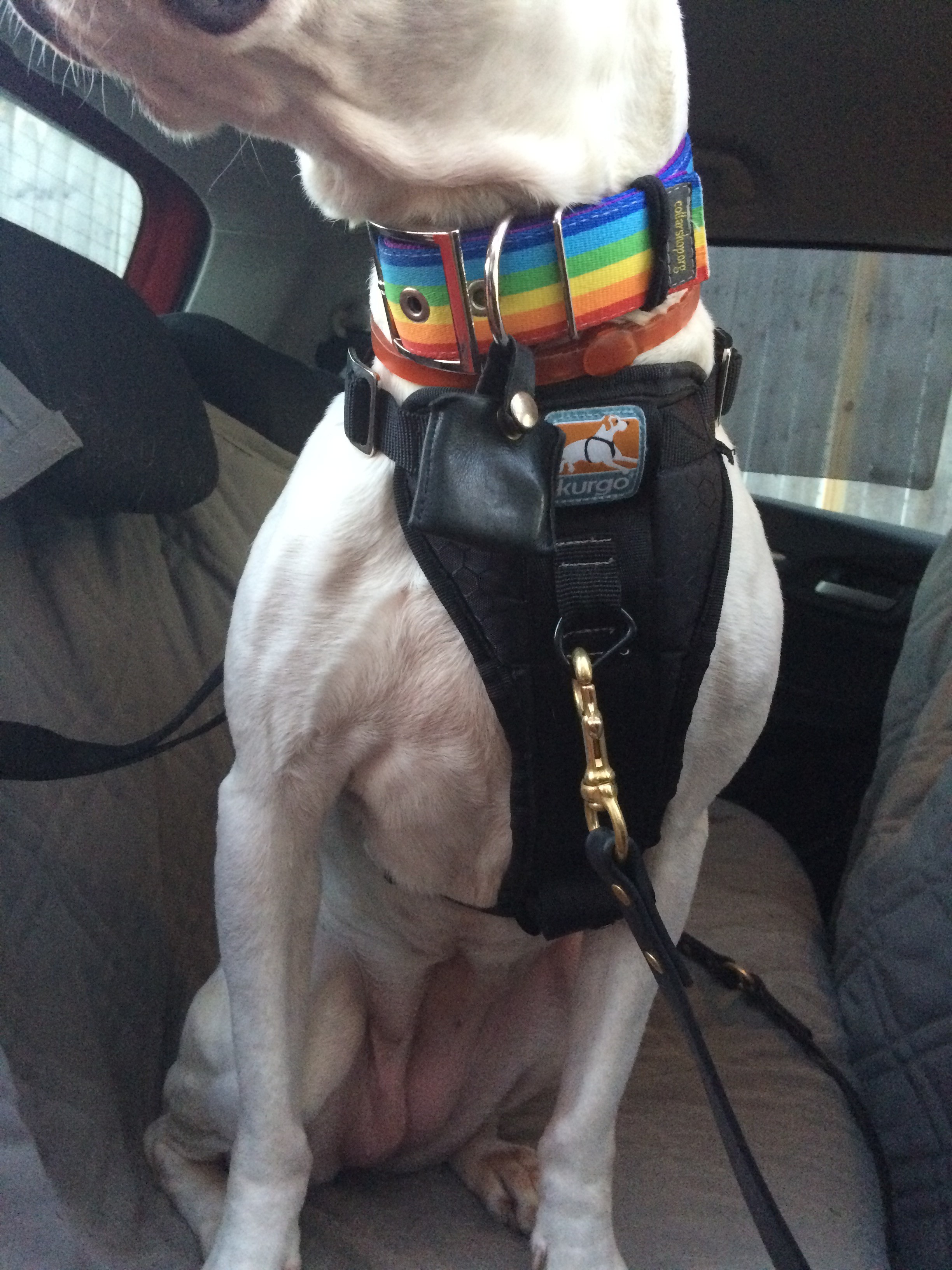
Photo courtesy of Liz Wyant
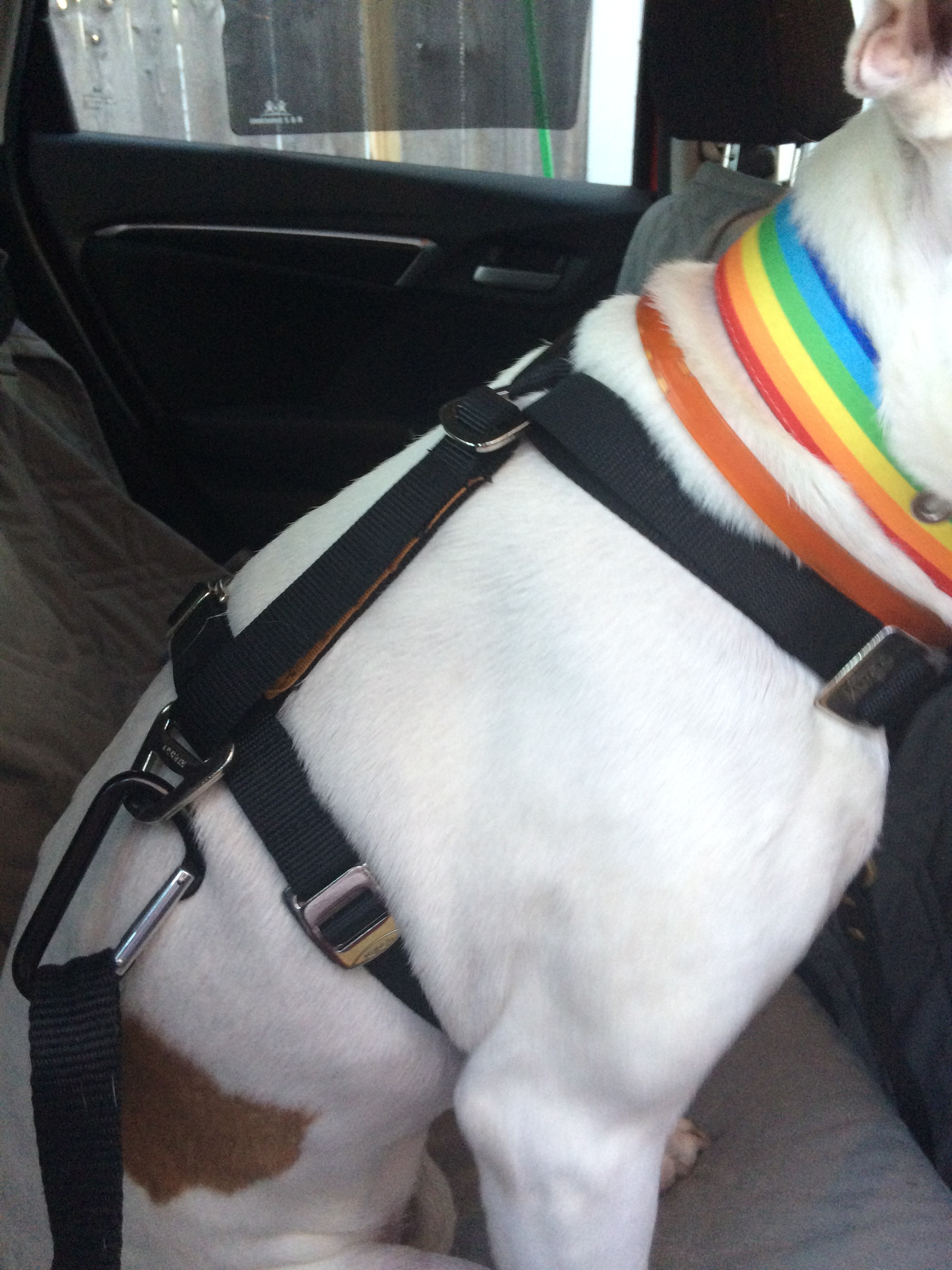
Harness are probably the easiest, most cost-efficient and space-saving option for most dog owners. A good harness will be wide across the chest and fully cover the chest down to the girth, but without hindering the neck or shoulders. It will have some padding and solid metal hardware. There are generally two main attachment points for car harnesses – either a metal hook that attaches to a sturdy strap and carabiner (as pictured below), or a loop that the car’s seatbelt will go through before being latched. Either way, the dog should be able to sit, stand, or lie down, but not be able to roam around. If they can move too far, that means they will not be as secure in case of an accident. Look for harnesses that have actual safety ratings. The harness in these pictures is Kurgo’s Tru-Fit Enhanced Strength Harness.

Photo courtesy of Liz Wyant
What behaviors should the dog know?
- The dog should be happy about wearing a harness, especially one that has a little more coverage than most walking-type harnesses.
- The dog should be able to sit quietly in one place without panicking. If the dog is spinning around, they can get tangled in the harness and injure themselves while also distracting the driver.
- The dog should wait to be invited into the car, and also should wait to be invited OUT of the car.
Crates

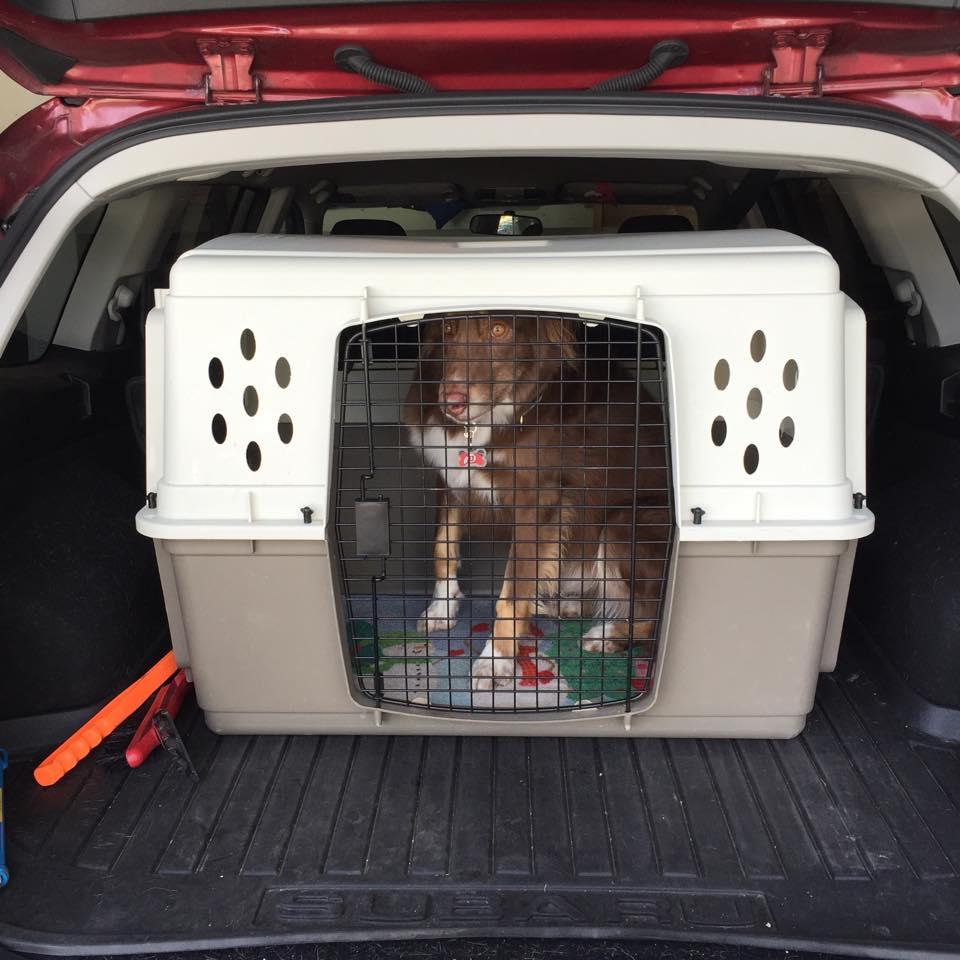
Photo courtesy of Laurie Schlossnagle.
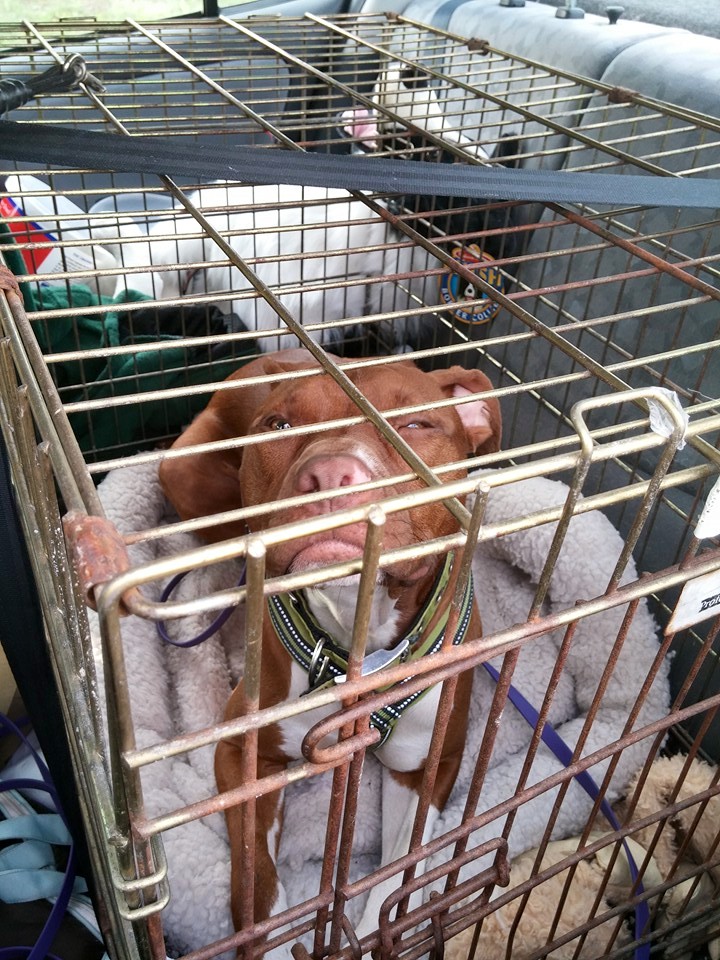
A solid, well-secured crate will be safer than a car harness as it will not only keep the dog from being flung around the car, but it will keep other flying items from impacting the dog. The best of the best when it comes to car-specific crates is the Mim Variocage. However, as these are rather pricey, they are out of limits for most people. The next best is a variokennel or wire crate that is, again, properly secured to the car. A crate will be no use if it can go bouncing around the car because it is not secured. You want to make sure it’s just big enough for the dog to fit comfortably, but not spacious enough for them to be able to sprawl out and have oodles of room. Again, the goal is car safety and keeping them secure in case of an accident.

Photo courtesy of Amie Glasgow
What behaviors should the dog know?
- The dog needs to be crate-trained so they do not panic when placed in the crate.
- The dog should know how to chew appropriately provided toys/bones instead of fussing with the straps securing the crate to the vehicle.
- The dog should wait to be invited into the car, and also should wait to be invited OUT of the car.
What NOT To Do
- Allow the dog to hang his/her head out the window – Even at slow speeds, debris is kicked off the road by other vehicles and may severely injure the dog.
- Allow the dog to ride on the driver’s lap – A dog in the driver’s lap is incredibly distracting for the driver. And if there is a car accident, there is a high likelihood the airbag impact will kill the dog.
- Allow the dog to ride on the dashboard – In the case of an accident, a dog riding on the dashboard has very little chance of escaping unscathed. Also, they will hinder visibility and act as a distraction for the driver.
- Use a collar and leash to secure dog to headrest or other part of car – in case of an accident, all that pressure suddenly pulling on the dog’s collar will cause SERIOUS injury.
- Fail to have identification on dog – If there is an accident, and your dog manages to get loose, it is imperative that they have a collar with tags on so they can be quickly reunited. Microchips are wonderful, too, but only as backup to a collar and tags.
What tips do you have for car safety for dogs?
Dog Training Business Tips
Receive valuable dog training business tips and resources right in your inbox! Subscribe to The Modern Dog Trainer now by submitting your name and email below. Don’t forget to let us know what you want to learn more about!
[mc4wp_form]
![Reflections On The APDT 2015 Conference]()
by Lisa | Nov 11, 2015 | Events, Training Methods
As a first time attendee of the 2015 APDT Annual Educational Conference & Trade Show, I was known as a “Conference Puppy” and I was thrilled to bits to travel all the way from Barbados to Dallas, Texas, USA to gain knowledge about dog training, behaviour and the business aspect of the dog industry.
Another important part of this conference, for me, was the networking. It was wonderful to meet my Facebook friends – Casey Lomonaco and Robin Bennett of the APDT’s Board of Trustees; guests I had on my Chat Time Interviews – Roger Abrantes, Michael Shikashio, Grisha Stewart and Josh Pitts; my Texan friends Abby Merlot, Jolynn Payne, Kevin Glowski, and my roommates Cheri Spaulding and Karen Reilly and so many others. Greater bonds of friendship have been made by spending our free time together and I truly value meeting them in real life.

Part of the gang networking at the Draft Lounge Catherine Steinke, Jolynn Payne, Carlos Betancourt in front, Cheri Spaulding, Kevin Glowski, Lisa White at the back.
The Sheraton Dallas Hotel, located in downtown Dallas, was huge, with lots of walking to get around. It was beautiful and the staff very friendly and helpful. The food was good and I ate from a variety – Peets was great to grab yummy Starbucks coffee (loved the Pumpkin Spice Latte) and a quick bite; I had the buffet breakfast at the Kitchen Table Restaurant, which had such a variety to choose. Most of the socialising was done at the Draft Media Sports Lounge. It was the perfect atmosphere with great music but you could still have a conversation, watch sports on their large screen TV’s, or play pool.
I found the schedule of things to do and see to be completely filled each day. The APDT even had an early meetup – AM Riser, Get to know your Neighbourhood Walk, from 7 – 7.45am. Errm I like my bed so that was too early for me and I didn’t make those meets. LOL.

Dr Stephen Ledoux and I
On Wednesday, day 1, the keynote speaker was Dr. Stephen Ledoux. He gave a talk about, “Helping Our Canine Friends By Helping Ourselves With Science.”
Each day from 8am to 5pm, there were the Live Animal Workshops. You could also choose the General Sessions which consisted of four Shorts to choose from, where speakers talked on a variety of topics for 45 minutes. They ran from 8 to 8.45, 9 to 10.30, and 10.45 to 12.15.
Lunch was an hour and a half, but even during lunch there were roundtable discussions and demos of freestyle, Hollywood dog or you could browse the vendors at the trade show.
The presentations started back from 1.30 to 3pm and again at 3.15 to 4.45pm. Thankfully there were breaks of 15 minutes to get to the other presentations and stretch your legs.
Even after the speakers presentations, there was still something to see and do from 5 to 9.30pm – Toy Making, Scientific Poster Session, more doggy demos and on Friday night was the APDT Foundation Reception and Auction which was great.
There were 3 tables full of mostly doggie items to bid on, ranging from dog toys, collars, personal sessions with Roger Abrantes and Sue Steinberg to name a few, as well as trips to the Caribbean. There were hors d’oeuvres and music, to which I danced a lot and managed to get the DJ to play some good modern pop music.
On the last day, Saturday, I was very sad, knowing this was the last day I would see my friends for another year and I was all teary eyed. Roger Abrantes gave a wonderful closing talk on, “Animal Training My Way,” which touched on our relationship with animals – bonds and respect.
“All we need do is control ourselves, our thoughts, our emotions and our behavior. If we do it correctly, we will produce the changes in others that exist, not against their will, not by force or manipulation of the truth, but because they want they want it.” – Roger Abrantes
If I had to choose who was the best speaker, it would be extremely difficult. A lot of interesting information was shared, some I already knew a bit about, so it was good to get it explained further and I also learnt new things.
However, where I think I truly benefited was in the business topics, since we dog trainers tend to want to learn everything we can about dogs, but neglect the business/marketing side of things.

Veronica Boutelle, myself and Gina Phairas of Dogtec. They are really nice folks.
My favourite speakers were the Dogtec duo – Veronica Boutelle and Gina Phairas, who had a variety of presentations – Newsletter Marketing, Start Your Business On the Right Paw, Put More $ In Your Pocket, and more. It was great to meet them and they are as nice in person as they were to deal with, when I was so fortunate to have won the APDT 2013 Business Makeover.
Overall, I found everyone to be friendly, even the Ph.D’s, those brainy folks, were nice and humble. They didn’t talk down to you at all and the “famous” folks, the big names who have written books or put out DVDs, were quite welcoming. I didn’t encounter any snobs there at all, no one thought they were better than others. It truly was a great atmosphere.
Oh, here are some tips for those attending conferences that I learnt the hard way –
1. Wear warm clothes, as it seems the powers that be like to keep you cold which apparently keeps you alert. I just shiver and quake.
2. Don’t overpack. Most people wear the same clothes from morning till night and it’s usually casual – jeans, shirt, sweater. Less clothes, means more room for dog books and toys. Oh and take a portable scale for your luggage; you don’t want to be overweight from all the goodies you buy and pay extra for your luggage.
3. Wear comfortable shoes since you will be walking all over the hotel, with warm thick socks. I made the mistake of wearing boots with heels the first day and my feet hurt from all the walking I was doing. Lesson learnt. I then wore my fluorescent orange sneakers everywhere. A friend said, “if you cannot find Lisa, just look down at the shoes.”
4. Have extra batteries and/or chargers. In one day my camera, cell and laptop died, grrrrrrr.
5. If allowed, take lots of pictures instead of writing notes from the Powerpoint Slides, you will always miss something. And put your camera on silent, so as to not disturb others.
6. Be organized. Know which speakers you want to see and print out the daily schedule in advance, so you are organized. Most hotel rooms don’t have free wifi, so you won’t be able to access the website.
7. If the Conference has an app, download it. This is very useful, since it has all the info about the Conference on it.
8. If you are traveling from another country, like me, phone calls and texts will be charged at an international rate, so it will be expensive. If possible, buy a SIM card with data. You can get one at the airport, but it would be cheaper from a local store.
9. Know where the Speakers will be located and how to get there. You will probably still get lost (I did, many times), but you can always ask others and follow them.
10. Get out there and talk to people; no sense in being a wallflower. Conferences are a great opportunity for networking, to meet new people, to exchange ideas, to make contacts with people in the industry. And DO remember to bring business cards and exchange them with other people.
With such a great experience at the APDT 2015 Conference, will I be attending future Conferences? HECK YEAH!! I am already planning on going to next year’s conference in Las Vegas.
Hope to see you there!
Dog Training Business Tips
Receive valuable dog training business tips and resources right in your inbox! Subscribe to The Modern Dog Trainer now by submitting your name and email below. Don’t forget to let us know what you want to learn more about!
[mc4wp_form]