![Things You Should Know Before Taking On Aggression Cases]()
by Ines | Oct 23, 2014 | Events, Training Methods
There is no doubt that dog training is dangerous, but you’d be surprised by how many dog trainers are not taking the right precautions when they work with aggression cases. Michael Shikashio, President of the IAABC and outstanding certified dog trainer, hit the nail on the head with his speech at the APDT Conference in Hartford last week. His talk, Staying Safe in Aggression Cases, discussed the following points:
Be Aware Of The Responsibilities Of Aggression Cases
When you take on an aggression case, you’re taking on a lot of responsibilities whether or not you’re aware of them. Consider the liability of handling an aggressive dog. What will your procedure be if the dog bites a family member, another dog, a stranger, or yourself? What are the legal ramifications of such an incident? If you are bitten, you could suffer from physical and psychological injuries as well as a damaged reputation. What will happen to the dog if he bites someone? Are you mentally prepared to handle such a case? Ignoring the possibilities does not make them less likely to occur. You must be prepared for the worst even if you’re expecting the best.
Gather As Much Information As You Can
Michael discussed the usefulness of paper or online questionnaires, but stated that ultimately those cannot compete with an in-person discussion session with the owner. There are non-verbal cues that you can pick up on in person. Speaking with a client in their home makes them more comfortable and you can examine the environment for lesson set ups in the future. Gathering a detailed bite history in person can help you get more information about each incident.
Setting Yourself Up For Success
Michael discussed that there are some simple steps you can take to protect yourself during the first meeting with the dog. Clear written and verbal instructions are a must. Even then, he encourages you to call the owner when you arrive and before you get out of the car to make sure all instructions have been followed. You must assume that the dog will bite if given the opportunity so wear appropriate clothing to the meeting.
Discuss management techniques the owner can put into place such as using two leash attachment points (collar and harness), a waist leash, muzzles, gates, and barriers. He encourages you to demonstrate the proper fitting of all harnesses or collars with the owner on a stuffed animal before the first meeting with the dog.
Back Up Protection
Unfortunately, we know we cannot trust owners to follow instructions 100% of the time or 100% correctly. Accidents happen so have your own personal shield against attacking dogs. Wear secure shoes, avoid loose clothing, and make sure your treat pouch is secure. Bring items like a spray shield for a last resort reaction if you’re attacked. Make sure to remove hats, sunglasses, and scarves before the meeting.
Defensive Handling
One of the most common mistakes trainers make is assuming the dog is alright with them and letting their guard down. Dogs can easily push past their thresholds in order to gain access to treats or food. Luring dogs into your space that aren’t ready to be that close can set yourself up for a bite. Using the treat and retreat game is important, but make sure you toss treats at a good distance behind the dog to keep a safe distance. Also, avoid sudden movements during this game.
Defensive handling is best learned by shadowing an experience trainer, states Michael. Things like leaning away from the dog while training, knowing strong leash grip techniques, and knowing how to use your center of gravity should be practiced well before your first aggression case.
Know Your Options
Ultimately, if you are bitten, you had better know where the nearest emergency room is. Knowing this information before the lesson will make an accident less stressful. You won’t be left wondering where to go or asking your client to look it up for you. It is also not a bad idea to keep a first aid kit in your car for emergencies.
We’d like to give a big THANK YOU to Michael Shikashio for presenting this very important information to trainers at the APDT Conference this year. You can contact Michael for more information at Complete Canines.
Have you started taking on aggression cases? What precautions do you have in place to protect yourself?
Recommended Articles
![5 Benefits to Starting An Open Enrollment Puppy Class]()
by Laurie Schlossnagle | Oct 22, 2014 | Business, Training Methods
Open enrollment puppy classes gives clients flexibility and puppies a head start. These classes offer many benefits to all involved – the clients, the puppies, and the instructor(s).

Why You Should Host An Open Enrollment Puppy Class
1) No Waiting To Start Class
Puppies can start as soon as they arrive in the home and have received their required amount of vaccinations. No waiting until the next class starts.
2) Community of Puppy Owners
There are widely varying levels of experience, training, and puppy “issues” in the class – so new puppy families can see that they are not alone and also that there is hope for their puppy. Students also learn from each other.
3) Easy Make Up Policy
If families must miss a class, they can make it up the next time it rolls around. The rolling enrollment model offers far more flexibility with schedules. When coming to class is more flexible, families are more likely to come.
4) Continuous Income
Income from class fees and product sales comes in more steadily and frequently.
5) Stronger Customer Retention
Because the instructor spends more time working one-on-one with each family, they are more likely to continue taking classes with the instructor as their puppy grows up (customer retention).
Implementing an open enrollment puppy class can be challenging (stepping out of a comfort zone), but once it gets up and running, the benefits are huge for all involved.
Recommended Articles
![3 Ways To Judge A Dog’s Stress Levels]()
by Ines | Oct 7, 2014 | Training Methods
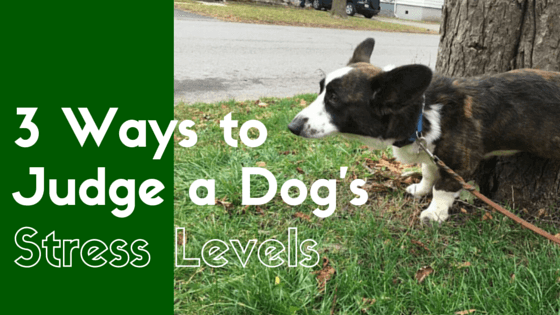
From puppy classed to reactive dog classes, judging the stress levels of the dogs is an important part of making the class successful. There are three optimal ways to quickly judge a dog’s level of stress during training. Reducing stress levels in a dog is important to the learning process. Learning is hard without all the environmental distractions in a group class or at a park so reducing the level of stress the dogs are in will improve your training success rate and increase the amount of time you can train them effectively by lowering the level of fatigue the dog will experience.
Observe Body Language
Excessive sniffing, yawning, lip licking, scratching, or other passive behaviors are a sign that the dog needs a break, more space between dogs, or more positive reinforcement. Ideally, training sessions shouldn’t last longer than 5 minutes at a time so make sure your client’s aren’t working their dogs too long.
Food Intake
When a dog’s stress levels increase, they will likely stop eating treats they were accepting just a few minutes before or they’ll take the treats more harshly than before. If you hear clients complain that their dog must be full or that the dog is hurting them when they take the treat, ask your clients to give their dogs a small sniffing break away from other dogs or people. This will help the dog “reset” and regroup in order to continue learning. We all take breaks while studying for exams, right?
Response To Known Behavior Cues
Considering that a dog knows that sit means sit at home, at the park, at the vet’s office, and everywhere else, if the dog does not sit when asked during class it could be a sign that the dog is too stressed to comply or understand what is needed of them. This is especially true when working with reactive dogs and their “fight or flight” response has been triggered. It isn’t that the dog is being stubborn, but rather that they dog cannot think straight because they are worried for their physical safety. If someone put you in your most feared situation and asked you to do math, how well do you think you would do?
Stress is an emotional roller coaster for everyone – people included. Being able to recognize it in dogs will help your training proceed more smoothly and efficiently. Implement management techniques to help dogs (and their people) feel more comfortable in group classes or lessons out and about.
What’s one of your favorite stress management techniques for dogs or people? Share it with us below in the comments!
Recommended Articles
![The Separation Anxiety Epidemic: 5 Ways To Help Your Clients Prevent S.A.]()
by Ines | Oct 6, 2014 | Training Methods
Many dog owners come to us with broken human-dog bonds. We recommend modern dog training techniques that will aid in repairing their bond while creating better behaved dogs. However, what do you do when the owner and dog have too strong of a bond and are literally inseparable?
Separation anxiety is an epidemic in the US. Dogs are injuring themselves while trying to get out of the crate or destroying homes when the owner leaves. They are angering neighbors with constant barking and living in misery and depression until their owners come home. This behavior is dangerous to their health and mental well-being and is almost entirely preventable.
Separation Anxiety Prevention Techniques
Socialization
One of the prominent triggers that can contribute to separation anxiety is under socialization. A dog who is sensitive to the sounds and smells of the outside world can startle easily if a loud sound occurs outside while you are away. Educating clients on the importance of proper socialization is an important factor in preventing separation anxiety. Socialization should teach the dog that the outside world is fun and exciting rather than scary and intimidating. Make sure your clients understand that they should not force their dogs into situations they aren’t ready for.
According to the American Veterinary Society of Animal Behavior, the critical socialization period is before the puppy hits 16 weeks of age. This means you’ll want to emphasize the need to get puppies out into the real world before they are fully vaccinated. Unfortunately, more dogs perish due to behavior issues than medical issues. Clients who wait until their puppies are fully vaccinated run the risk of behaviors issues due to under socialization in the future. In general, a puppy who is allowed to explore the outside world before 16 weeks will be more confident and less skittish as an adolescent or adult.
Crating
Encourage clients to put their dogs in crates. Every dog should learn to love being crated for practical reasons (emergencies, vet visits, travel, etc). Crating is the safest way to contain a dog while client’s are away during the day. Dogs should be crated throughout the day when the client is home and away. The most detrimental failure of crate training is putting the dog in the crate only when you leave the house. Teach clients that this should be a very happy and fun place for the dog to hangout, whether or not the clients are home, and you’ll likely change the dog’s emotional response as well.
Relaxation Exercises
The most popular train of thought I come across among clients is that you must constantly give your dog physical exercise. Their dogs grow up with plenty of daily exercise. Unfortunately, their dog adapts to the level of exercise and then the behavior problems arise due to boredom or lack of training. Relaxation exercises are incredibly important. Just like the trend with people to do meditation or yoga, relaxation is something that has to be taught to most dogs. Self control and impulse control don’t come naturally to dogs. They usually need a bit of guidance to learn how to be still and calm amidst the chaos of life these days.
Mental Stimulation Activities
Let’s face it, our clients are increasingly busy dealing with work and raising a family. Dogs don’t get as much physical or mental stimulation as they used to. Bored dogs experience more anxiety which can lead to separation anxiety. When the owner isn’t home, the dog experiences excessive boredom. One solution is to provide the dog with activities when the owner leaves. Leaving a dog to fend for itself in a crate or loose in the house is a great way to set them up to fail. Encourage owners to provide their dogs with safe chew toys, puzzles, and other activities when they leave the house.
Client’s Misdiagnosis
Clients that have a tendency to cater to their pet’s demands may fall victim to attention seeking behaviors and assume they are dealing with separation anxiety. Extinction bursts and temper tantrums can weaken a client’s intentions and make them question their methods. Ignoring a crying baby, or puppy in this case, is difficult, but important in creating an independent pup. For example, if the client begins to ignore the puppy and the puppy only barks louder, they may think the training isn’t working and tend to the puppy’s wants. Unfortunately, this creates a dog that knows how to get a reaction out of their owners. In the long run, dog that decides what he wants and knows how to get it when he wants will experience increased anxiety if his demands are not met. A consistent schedule and clear rules are important in preventing separation anxiety from the beginning.
Linda Michaels has a nice, simple article on the Positively Blog about ways you can treat and prevent separation anxiety. She discusses the importance of keeping dogs out of the bed while sleeping and providing accurate levels of stimulation to challenge dogs mentally.
What are your recommendations to new puppy owners? Share your ideas in the comments below.
Recommended Articles
![Our 5 Best Replies To Clients Who Use Retractable Leashes]()
by Ines | Sep 30, 2014 | Training Methods

Retractable leashes are gaining in popularity unfortunately.
More likely than not, your future clients will be using retractable leashes when you meet them. When you recommend that they use a regular 6 foot leash instead, they might question why. Here are some great replies you can respond with.
Possibility for Injury to People or Their Dog
One the design feature (or rather a flaw) is that the wire is thin and light weight. This makes it easier to retract without tangles, but also means it is easier to injure yourself or your dog if it gets wrapped around a limb. We have personally experienced rope burns that are extremely painful and would not recommend a retractable leash to dog owners (and especially not novice dog owners).
They Teach Dogs How To Pull
The basic principle of the leash is that the dog gets more freedom when they pull the leash. This is inherently rewarding and teaches dogs how to pull their owners along walks. Often when a dog is put on a regular non-retractable leash the dog continues to pull because they don’t understand the difference. Clients inadvertently train their dogs to pull without know it by using these retractable leashes.
It’s Easy For Dogs To Get Loose
The handle is designed to keep an easy grip. However, as the dog pulls he can pick up momentum and ultimately yank the leash out of the owner’s hands. We have seen this happen numerous times. What happens when a client’s dog sees a squirrel across the street and takes off without notice? Dogs can get hit running across the street while on a flexi or retractable leash.
Increased Chances For Dog Fights
Dogs can easily get too far ahead of their owners with retractable leashes. This means they could turn a corner only to come face to face with an unfriendly dog. The confusion and sudden appearance without warning on both parties can cause a dog fight where the owners have no way to untangle the dogs withouth giving themselves a rope burn. This kind of experience can give dogs a life-long struggle when it comes to interracting with other dogs in the future and can even lead to leash reactivity.
Accidentally Dropping The Leash Can Spook Dogs
If an owner accidentally drops the handle, it can spook the dog. The dog could then take off running and get lost or, worse, get hit by a car. The leash only chases them as they run away making them run away even faster. This can be incredibly dangerous and traumatizing for dogs.
Educate your clients about the dangers of retractable leashes. Sure they are convenient, but so many things can go wrong. We always say, “Better to be safe, than sorry!”
Recommended Articles
Feature image via Dr. Becker
![Doggie Technologies: Enrichment Machines for Dogs]()
by Ines | Sep 30, 2014 | Training Methods
The dog loving world is catching up with modern technology.
Dog lovers play a part in all professions, but only recently has that translated to technology that can help owners love their dogs more. These machines help people communicate with their dogs. From training to enrichment, this technology is a small step into the future.
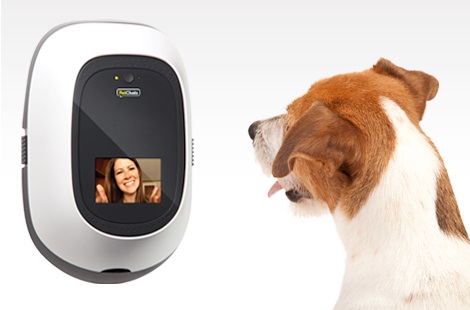
The Petzila allows you to see, speak to, and treat dogs. This machine is great to check in with your dog throughout the day and give them a special treat. With regard to training, you can remotely reward dogs for good behavior such as not barking or being destructive. It comes in at about $169.99 on their website.

This toy is ideal for dogs that love to play fetch. When used within reason, it is a great tool to incorporate more exercise for dogs with people with mobility issues. Of course, in the dog’s eyes, part of the fun of fetch is the interaction with their person. With this machine, the dog drops a mini-tennis ball into the large hole and the machine throws it out the smaller hole. The iFetch would probably be a wonderful Holiday gift at only $99.95.

The Pet Chatz machine allows people to talk with their pets while they are away. It also has the treat dispensing feature. This is another great option for remote training to reward and encourage good behavior. It connects to your home’s wifi so you can easily connect remotely. You can pre-order this machine for $350.00.
The Pet Cube is a camera and laser entertainment system for people and their pets. It connects through wifi and video tapes your pets as they play with a laser pointer that is integrated into the cube. This project was funded by kickstarter. This machine is ideal for cats who need daily exercise. You can pre-order it for $179.
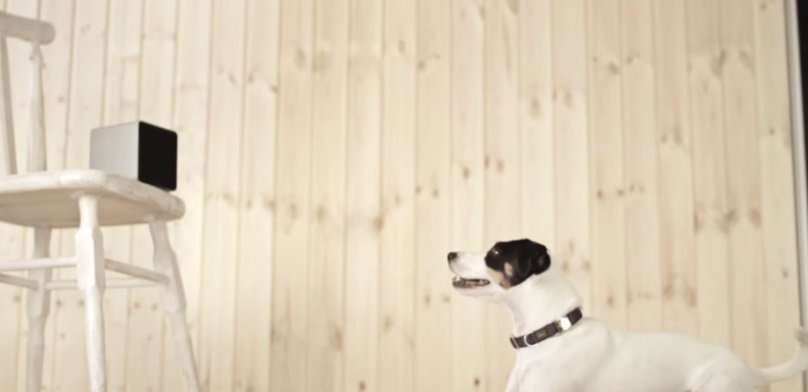
The Pet Tutor is the ultimate remote training device. It has a sensor to reward the dog when it doesn’t bark so it can function automatically or manually. Trainers often use this for distance behaviors as well as separation anxiety cases. The Pet Tutor comes in at $379.

Recommended Articles