![Do Bad Dogs Exist? Helping Your Clients Look At Their Dog Objectively]()
by Erin Bessey | Nov 3, 2014 | Training Methods
In group training classes it is common to touch base with the students on how their week went. Without missing a beat they will inform you of everything that went wrong. The dog stole the cat food, they chased the cat across the yard, or wouldn’t leave the turkey poop in the field. It is so easy to get stuck on the negative that it’s time to shift the focus and start asking “What went well?” encouraging owners to focus on the positive.

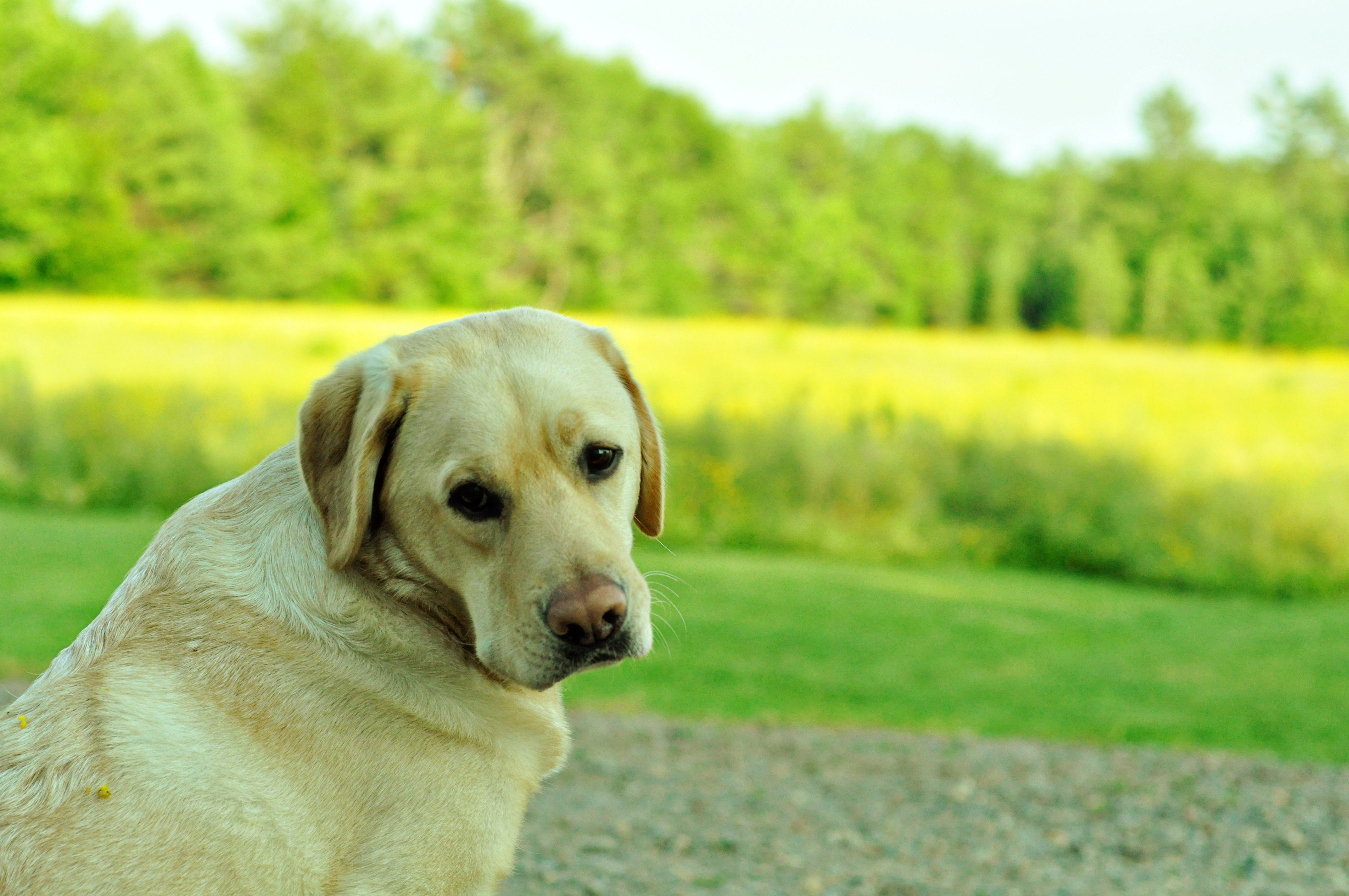
Image via Erin Bessey
There Are No Bad Dogs, Some Just Need Extra Guidance and Training
Encourage owners to look at the dog’s behavior objectively. Help them realize that the dog has been set up to act that way. They have been influenced by the environment, genetics, or information they have received from the handler. When observing the dog, help them ask “Why is my dog doing this?”
Reinforce the Behaviors You Want to See Again Rather Than Reinforcing the Dog
Don’t punish the dog for acting like a dog. Barking, chewing, pulling on the leash, not coming when called, pottying inside and so on are all normal doggie behaviors that most people don’t like. Owners usually view behaviors as bad, good, abnormal, or normal but it really boils down to desirable and undesirable behaviors which should be established by the owner.
Time to Rephrase
To replace the “bad” behavior, train an alternative “good” behavior while managing the environment to prevent the “bad” behavior from occurring. Reinforce the absence of the undesirable behavior or interrupt it with a trained behavior before it is reinforced. What speaking with clients avoid saying, “We don’t like when the dog…” and consider saying “We want the dog to …” or “We need to work on….” For example, instead of saying “We don’t want the dog to jump on visitors when they come over,” we could say, “We want the dog to lie down on his mat when visitors come over” or “We need to work on polite greetings with the dog.” It gives the owner a picture of what they do want and set an obtainable goal.
Once the goal has been set, make it a habit to check in each week with them and ask “What went well?” It will keep the client on track to reach their goal and remind them to focus on the positive which, as we know, with practice will get easier.
What other questions could you ask clients to help them think positive and gain information about their progress?
![How To Achieve A Successful Business]()
by Erin Bessey | Oct 25, 2014 | Business
So you have decided to run your own dog training business but what steps do you need to take to guarantee a successful outcome? Just like a new puppy it requires time, patience, and commitment to be up and running.

Image by Erin Bessey
5 Steps to Building Your Dog Training Business
Work On The Business Part As Much As The Training Part
Work on it, inside and out. It is easy to focus on creating the class curriculum and training the clients and dogs because that is the fun stuff. If you are just starting your business you are the secretary, bookkeeper, marketing manager and you need to be certain to work on those areas in order to grow your business.
Stick To Your Schedule
Make a schedule and stick to it. You can make your schedule as flexible as you want or as rigid but find a time for everything (including yourself) and stick to it. Include places for answering e-mails and phone calls, working on marketing, writing articles or research, continuing education, working with your own dogs, etc.
Learn About Modern Marketing Techniques
Marketing can be done without breaking the bank. Word of mouth is wonderful and free, however, it can take a long time to build. You need to stretch outside of your comfort zone and do more than place business cards and brochures in a few locations. Look into writing a column for the town newspaper, introduce yourself to others in different animal related fields (Veterinarians, Dog Groomers, Walkers & Pet Sitters) and reach out to your community and tell them what sets you apart from others in your field.
Make Your Business Valuable
Value your knowledge and skills. You need to become a good sales person and learn to sell yourself and your packages. Even if you are new to your profession you need to charge professional rates. People equate money with value. If you are $20 less than everyone else in your town or surrounding areas it makes people question why, which may work against you.
Be A Professional
Be the dog trainer and have confidence. People come to you because they need help and this is your area of expertise. You know what is best for the dog and owner to be successful. If that means telling people they need 6 sessions to accomplish the end result, explain that to them. Don’t be afraid of the word “No”. To be afraid of losing the client’s business and only suggesting 3 sessions so it doesn’t seem as expensive is a disservice to the client and the dog. Practice exuding confidence and it will become easier with every client. There’s a saying out there, “Fake it ‘til you make it” which applies for every new business venture.
There will be challenges along the way of running your own business but many who have done it will tell you they’d have it no other way. What is the biggest obstacle stopping you from starting your own business?
Recommended Articles