![How To Start A Dogs and Babies Program]()
by Erin Bessey | May 11, 2015 | Business
It can be daunting to coach others how to achieve a smooth transition for the dog in the house to a home with a baby, especially if you haven’t personally experienced it. It is more than encouraging the owner to bring home the baby blanket from the hospital for the dog to sniff.

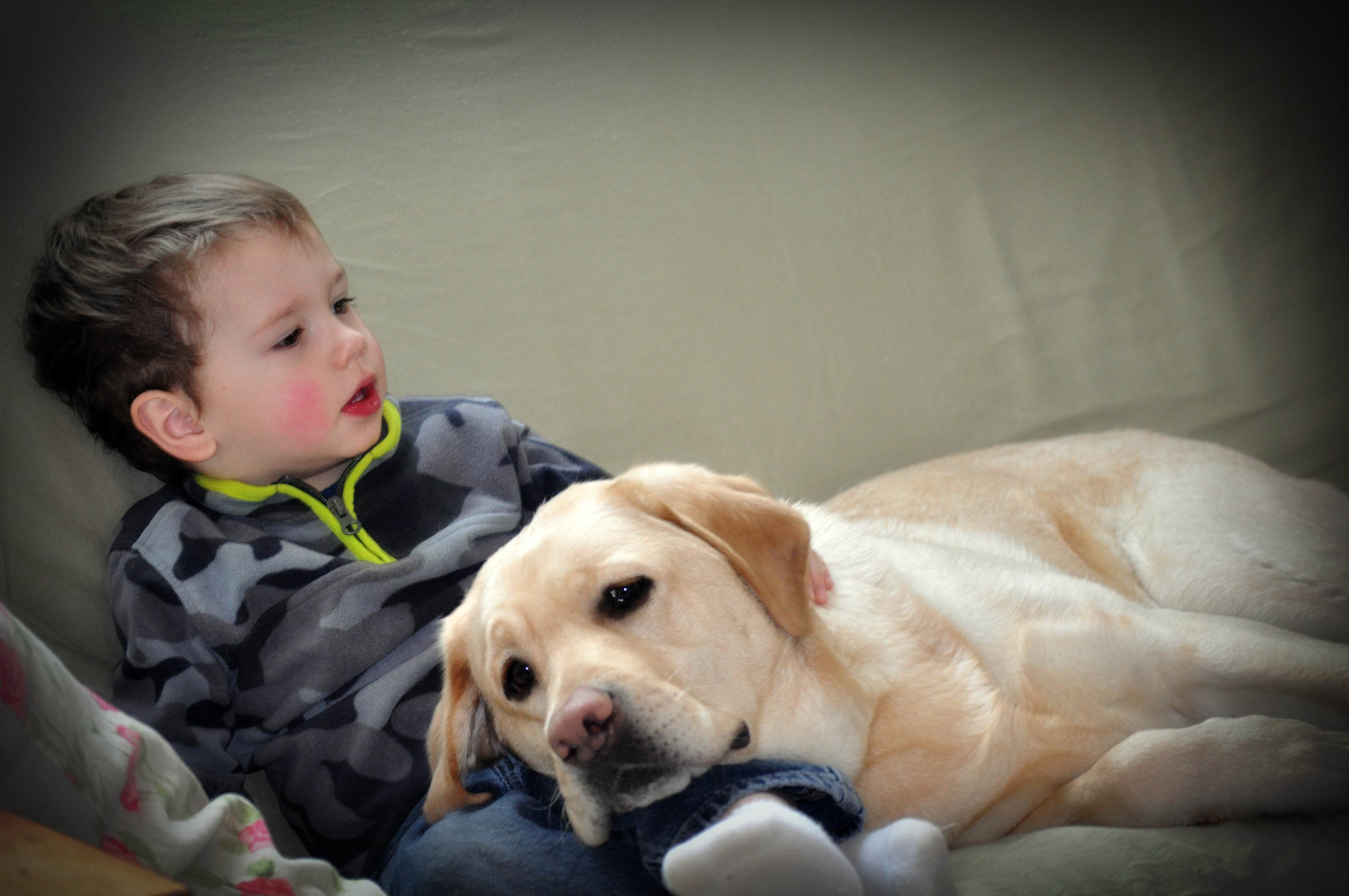
image via Erin Bessey – Bessey’s Positive Paws
What Do You Cover?
As a trainer you already have more tools in your pocket to work with the parents than you might realize. When working with expectant parents that seek you out, often they are first time parents. They are being proactive in preparing their dog and home for the new addition. A lot of the preparation is looking to see where management will be effective, refreshing basic behaviors and dealing with the bad habits, understanding the level of exposure & socialization the dog has had to infants, babies & toddlers and recognizing stress signals in the dog and educating the owner about them.
Programs That Help
If you are a trainer that has had little experience with the different developmental stages of babies it is important to become familiar with them. There is a large difference between the infant and the baby that crawls. There are some excellent resources out there to help you as a trainer with this. Family Paws Parent Education has an abundance of information for parents and a program available to you as a trainer, Dogs & Storks, preparing families with dogs that are expecting a baby, and Dogs & Toddlers which prepares dogs for a life with a toddler.
Collene Pellar has a great book available called Living with Kids and Dogs. It is about managing kid and dog interactions from birth until young adults. This can apply to a family with a new baby in it or even the home that only has visiting children like nieces and nephews. She also has a book available specifically for people who work with dogs.
Management is Essential
Starting a dogs and babies program is all about setting the dog and family up for success, as is most of our training. Encourage them to think about how their lifestyle is going to change. It is important to impress upon them that the dog should have its own safe place away from the baby and the possible chaos. Bring back the crates, dog beds, or pens and refresh going to place. While children are a blessing and the baby becomes the number 1 in the family, it is important to remind them to advocate for the dog. The dog shouldn’t have to tolerate or be subjected to tail and ear tugs, being climbed over and having toys constantly snatched away from him.
It is rewarding to work with expectant parents especially during their pregnancy. They are being proactive and diligent about preparing their dog for the change. They will likely be some of your most compliant clients. Encourage them to expose their dog early to all the changes coming, the new equipment, noises, strollers and car seats. The programs can work as a group settings without the dog or as private sessions.
Get Dog Training Business Tips!
Receive valuable dog training business tips and resources every week! Subscribe to The Modern Dog Trainer now by submitting your name and email below.
[mc4wp_form]
![5 Steps To Teach A Reliable Recall]()
by Erin Bessey | Feb 24, 2015 | Training Methods
When asking a client what their goals are for the end of a session, coming when called is almost always on the list. It only makes sense, because it is a life saving behavior – behavior being the key word. A lot of owners have a misconception that dogs understand the word “Come” and expect them to appear when the magic word is used. However, “Come”, just like sit or walking on a leash needs to be taught. Here are 5 step to teaching a reliable recall.
1. Charge the Word
If you use a clicker or marker word, you need to give meaning to the noise by pairing food or rewards with the noise. People often introduce the word “come” without it having any meaning to the dog. We want to charge the word with a very tasty, very high value treat. With the dog on a 6 ft leash, say the word “Come”, start to back up, and click or use your marker word when the dog moves with you and give them their reward. It is important to do this exercise for a solid week so that our dogs are developing a muscle memory response when they hear that word.
2. Never Punish A Recall
Never punish the dog for returning. Take it as a learning experience as to why the dog didn’t come back. Was the distraction too great? The key to getting a reliable recall is to always keep it positive and enjoyable from the dog’s perspective.
3. Make It A Game
If coming when called can be as exciting as a game of fetch or teaching a favorite trick, dogs would be far more reliable. Playing a game of round robin where the dog runs as fast as he can between two or more people to get his tasty recall reward can be a lot of fun and a great way to create a reliable recall. A game of chase where the dog chases you is also a great way to work on recall.
4. Increase Distractions Gradually
Once the word has been charged, it is time to gradually build distractions. Begin indoors and then outdoors while keeping the dog on a light long line. This provides the dog with some freedom while preventing them from running away. “Come” should not be used unless the client is willing to place $100 on the fact that the dog will come. If they aren’t willing to wager that then the distraction is likely too great and therefore the word should not be used.
5. Be Unpredictable
Don’t always call the dog when he is doing something that we find is less than desirable or something fun (like playing with other dogs or chasing a squirrel). Call the dog when he is doing nothing at all, too. The more often recall is practiced when it is easy, the quicker the dog will build muscle memory. Muscle memory will make it so that when distractions are tough the dog will quickly leave whatever is exciting and come back to you without thinking at all. When the dog comes to you be unpredictable in your generosity. Sometimes its only one tasty morsel of steak or sometimes its 10. This helps to prevent the dine and dash effect. This helps to create a dog that will hang out for a moment when he comes back.
Taking the time to build a reliable recall will allow the dog to have more freedom off leash in the future. This is one life-saving behavior where I encourage students to reward for life and always practice so that it never gets rusty.
Get Dog Training Business Tips!
Receive valuable dog training business tips and resources every week! Subscribe to The Modern Dog Trainer now by submitting your name and email below.
[mc4wp_form]
![10 Behaviors All Obedience Classes Should Cover]()
by Erin Bessey | Jan 28, 2015 | Business
Ask anyone and they have their own idea of what a dog should learn. There are the essential behaviors but there are some other behaviors that might not be taken into consideration until there is an issue. It is important to cover these in a class to provide students with a proper foundation for a well-behaved and stable dog.
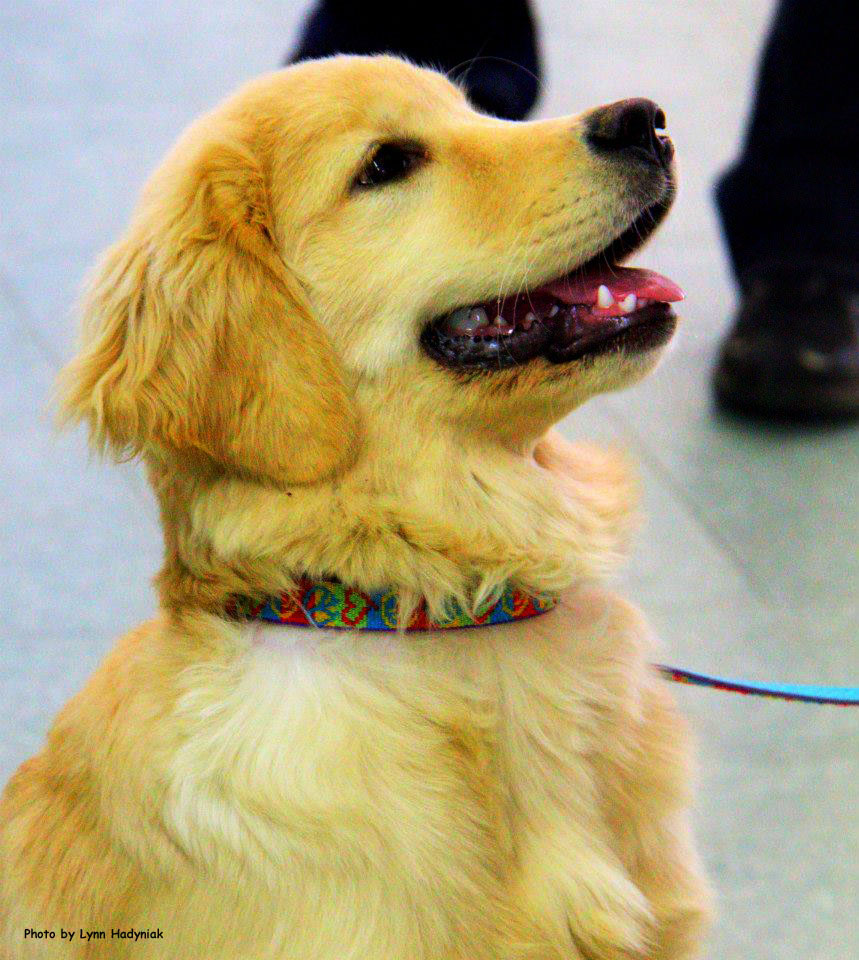
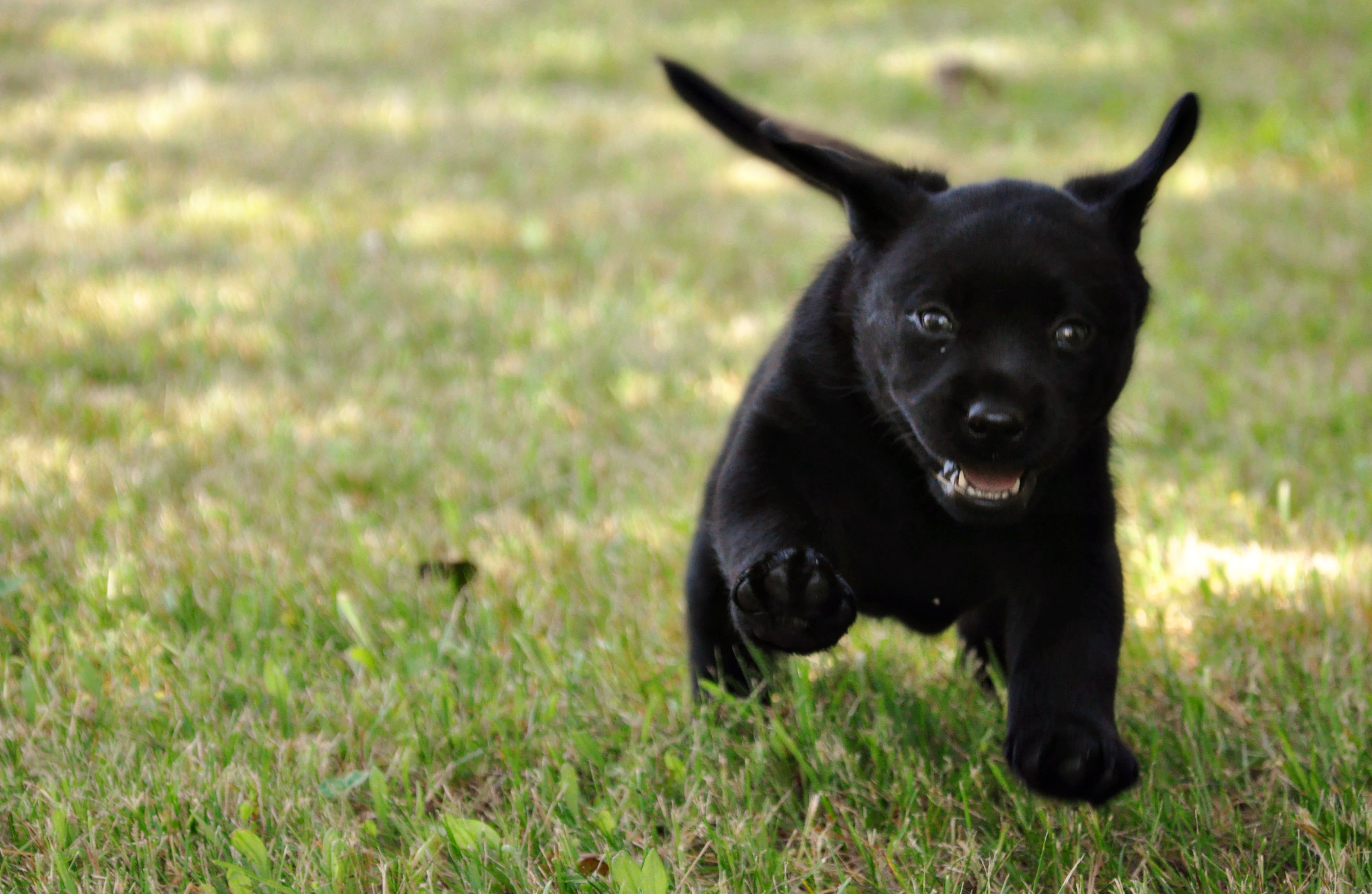
Image via Bessey’s Positive Paws
1. Sit
An essential behavior that most clients have already started with their dog when they come to class but is still just as important to cover. Sit is key to get as a solid behavior because it can be utilized when working on proper greetings or providing a dog with an incompatible behavior to jumping.
2. Down
Another essential behavior that clients like to know how to teach. It works as an incompatible behavior to things like jumping but also is handy when working on teaching place or a settle.
3. Leave-it
A behavior that has endless uses. Not only to teach a dog to leave food or inanimate items but other dogs, cats, people or “yuck”. You can fill in the blank.
Whether a dog is allowed freedom outdoors or not, how to walk on a leash is a behavior to start immediately. There will always be a time when a dog needs to be put on a leash and it is more pleasurable for dog and handler when the leash is loose, let alone safer.
Clients tend to focus their attention on exercising their dog which can lead to an anxious or hyperactive dog that doesn’t know how to chill. Dogs will adapt to the level of exercise they are given. We need to teach them to settle and relax in the face of excitement or boredom.
6. Recall
Also known as “coming when called,” this is a life saving behavior and takes lots of practice to be truly successful. Coming when called is a key behavior to teach early on in lessons. Consider incorporating a hand touch with this behavior to make sure the dog comes within reach in case of an emergency situation.
7. Place
A versatile tool like a mat, towel, dog bed etc. that can be used to have the dog target at a specific location and then to relax and settle. Mats are portable and can be taken to coffee shops or restaurants as well.
8. Focus
Client will repeat cues to a dog when they don’t even have the dogs attention. By teaching the client this tool of gaining their dogs attention will help to eliminate frustration in the face of distractions.
9. Handling
Teaching your clients to teach their dogs to love handling is essential. It helps to create a stable, confident dog. Dogs should allow their owners to comfortably hold their feet (for nail trimming), check their mouth, look in their ears, brush their coats and accept restraint. Having strangers perform these exercises to the dog is a definite bonus to prep for vet visits! (Tip: Have everyone in class switch dogs and practice gentle handling exercises with lots of rewards.)
10. Give
Teaching “give” or a “drop it” helps prevent resource guarding. Instead of forcing something away from the dog we can give the dog the choice to drop the item for something of better value.
The above behaviors are listed in no particular order to importance. Which behavior do you think is the most important?
![5 Reasons Why A Dog Is Not A Good Fit For Doggy Day Care]()
by Erin Bessey | Dec 27, 2014 | Business
Doggy Day Care can be a quick fix for a lot of dogs with energy problems but it isn’t right for all dogs. It is important that a day care properly screen dogs before taking them in for group play. The wrong dog can throw off the whole dynamics of a good play group. Here are 5 reasons that a dog may not be an appropriate candidate for doggy day care.

Image by Erin Bessey
5 Reasons Not to Send A Dog To Doggy Day Care
1. Undersocialized
As Patricia McConnell has said, “dogs have different personalities and have had different experiences while growing up.” Depending on the experiences the dog has had growing up, he may not have had enough positive experiences with other dogs. Because of the lack of socialization many clients want to send their dog to daycare to overcome their fear. A fearful dog, however, forced into a group of dogs could become more reactive. Research shows dogs that tuck their tail are 50% more likely to respond aggressively if they are pushed.
2. Bully On The Playground
Some dogs go to daycare and, while they enjoy it themselves, they are making it a terrible experience for others. The daycare bully tends to overwhelm dogs they are playing with by mowing over them, harassing others that have toys and picking on the shy dog.
3. Dogs That Lack Good Social Skills
This could be the dog that is shy and doesn’t know how to appropriately convey that to other dogs and lashes out aggressively. It could also be the dog that fits #2 that doesn’t know how to properly read another dog’s calming signals and may continue to annoy others with their intensity or energy.
4. Easily Overstimulated
The idea behind daycare is to provide a dog with an outlet for their energy. At the end of the day when you pick up the dog he should be pleasantly exhausted. If a dog is easily stimulated, too many days of daycare might have the opposite effect and keep a dog in “go” mode meaning he is full of adrenaline and come home amped up instead of calm. Sending a dog a couple of times a week instead of all 5 days keep the dog from being over stimulated.
5. Does the Dog Want It or Does The Owner Want It?
Dogs that don’t enjoy the company of other dogs could find the daycare experience very unpleasant and further their dislike for other dogs. It may be clear that a dog does not enjoy the day care experience if he repeatedly exhibits inappropriate, anti-social behaviors towards other dogs.
Dogs at different times may exhibit one of these 5 reasons. When it becomes a problem is when they are repeated. Like people, dogs have bad days, but something will need to change if the behaviors listed above continue to show on a regular basis at day care. It might be as easy as switching up the play groups or reducing the number of days the dog goes to day care. Fortunately an appropriate facility will have good training in reading dog body language and will be able to identify the dog that doesn’t belong. Robin Bennett has some great resources for doggy day care businesses.
Get Dog Training Business Tips!
Receive valuable dog training business tips and resources every week! Subscribe to The Modern Dog Trainer now by submitting your name and email below.
[mc4wp_form]
![5 Reasons Why Dogs Should Attend Doggy Day Care]()
by Erin Bessey | Dec 8, 2014 | Business

Why Doggy Day Care Is A Good Idea
It seems like a great solution to many trainers to recommend doggy day care to the average client. Many dogs lack stimulation, sufficient outlets for their energy, or opportunities to socialize with other dogs. Here are five reasons why you might consider sending a dog to doggy day care – or starting a doggy day care yourself.
1. Exercise & Socialization
Daycare provides the dog with play times throughout the day to express normal doggy behavior. They have the opportunity to meet and play with new dogs and learn how to properly socialize and interact with other dogs. Naturally, day cares run differently. Some provide dogs access to each other all day long for endless play while others have set play times and playgroups for the dogs.
2. Human Contact
During the day while the owner is away at work, the dog doesn’t have to stay home alone. The staff members of the day care interact with the dogs regularly. They are there to interact during play if the dog desires, treats during quiet times, or a good ol’ scratch behind the ear and cuddles.
3. Expert-Supervised Playtime
Often owners themselves are not comfortable monitoring play between dogs. They aren’t familiar with what is appropriate and what is dangerous. A proper daycare has experienced staff that have had training to interpret dog body language so they can ensure all the dogs are comfortable.
4. Relief From Boredom
Crates get a bad reputation sometimes from pet owners. They don’t want to leave their dog crated while they work or when they aren’t home. Not utilizing a crate and establishing good house habits can potentially set the dog up for destructive behaviors when alone. To compromise, owners can send the dog to daycare where they will have plenty of stimulation and opportunities to prevent any boredom.
5. A Good Solution For Busy Owners
Some owners feel guilty for working more than 8 hours and leaving their dog at home. Day care will allow the dog multiple opportunities to potty and be entertained while the owner is away.
It is essential to take the dog’s personality and temperament in to consideration when deciding if doggy day care is right for the dog. The five reasons above list some benefits to day care but day care isn’t for all dogs. Robin Bennett is an outstanding resource for dog-dog interactions and an expert in running great doggy day cares. Check out her articles on doggy day cares here.
Stay tuned for a follow-up article on reasons why some dogs shouldn’t attend doggy day care.
Get Dog Training Business Tips!
Receive valuable dog training business tips and resources every week! Subscribe to The Modern Dog Trainer now by submitting your name and email below.
[mc4wp_form]
![Ways Owners Might Be Punishing Their Dogs Without Knowing It And How To Address It]()
by Erin Bessey | Nov 18, 2014 | Training Methods
Owners and trainers have come a long way from the punitive methods of training. While it is no secret some still use punishment, many have converted their methods to the more humane, scientifically proven uses of positive reinforcement. Even with the best intentions and use of rewards there are ways that Owners and trainers may unintentionally still be punishing their dogs.

Image via Erin Bessey
It’s Not Always Prong, Shock, or Choke Collars
It is basic knowledge among dog trainers that behaviors that are rewarded will be repeated. It is on that premise that clients are taught how to train their dogs basic behaviors or modify the problem ones. When the word punishment is tossed around most people imagine choke, prong, or shock collars, hitting, slapping, or even kicking the dog. However, there are subtle ways owners might be punishing their dogs and ruining their trained behaviors.
Owners come to class with their dog wearing a standard flat collar, occasionally a harness or gentle leader. A choice made with the best intentions. An owner can still unintentionally be a compulsion trainer when their dog is wearing a flat collar. Imagine the dog who excitedly lunges to the end of his leash and is spun around because he reaches the end with such force. He is receiving a correction. The intensity of the correction may be less than a choke or prong collar because a flat collar does not offer the choking sensation. If it were a leave-it exercise the dog may only respond to leave-it on leash because if he makes an attempt to indulge in the forbidden item he will be jolted backwards. If you find clients manipulating their dog with the leash encourage them to come to class with their dog on a harness to reduce the accidental use of punishment.
Reinforcement Has To Be Rewarding in the Dog’s Eyes
Calming signals are a foreign matter to many dog owners. They don’t recognize their intentions as being intrusive or unpleasant for the dog. A perfectly good recall can be quickly ruined by unintentional punishment. Owners like to pet their dogs as means of encouragement or reinforcement but some dogs don’t enjoy this. A dog that is sensitive to touch may not like the pat on the head after coming back to the owner resulting in a slower recall. Emphasize that to reinforce the behavior it has to be rewarding in the dog’s eye. For a dog to leave the yard (which he finds highly rewarding) to come for his recall treat, to then be locked in the house all day will turn into the dog that takes his sweet time getting back to the house. Encourage owners to pair the giving of any treats with petting to create petting as a secondary reinforcer. When a dog is brought inside after playing, reward with the recall treat but then provide him with something fun and enriching to do for 5-10 minutes.
Listen to how owners are describing the behavior and see if there is an area that can be identified as unpleasant for the dog. Observe the interactions between owner and dog to see if the dog is loving it as much as the owner. It might also be very beneficial to teach owners about calming signals so they can learn to determine these things on their own.
Recommended Articles by The Modern Dog Trainer